October 29, 2025
AKIS International Conference: Reflecting on the Future of Agricultural Knowledge and Innovation Systems
As part of its mission to strengthen Agricultural Knowledge and Innovation Systems (AKIS) across Europe, the modernAKIS project successfully organised the first AKIS International Conference in Budapest, Hungary, on 22 October 2025, under the theme “Quo Vadis AKIS?”.
The event brought together more than 250 participants, both online and in person, from across the AKIS community. The conference served as a dynamic platform for reflection, dialogue, and knowledge exchange on how AKIS can adapt and thrive within the framework of the Common Agricultural Policy (CAP) post-2027.
Setting the Scene: Where Are We Going?
The morning sessions, titled “Where are we going?”, focused on policy developments, different stakeholder perspectives and the evolving role of agricultural advisors.
Elena-Teodora Miron, modernAKIS Project Coordinator, opened the conference with an overview of the project’s goals and progress. This was followed by Inge Van Oost (Active Senior Expert, AKIS Coordination & CAP Network, European Commission DG AGRI), who delivered a keynote presentation on “CAP Post 2027 – What will be the impact on AKIS?”.
Inge Van Oost presented the progress achieved in the implementation of AKIS across Member States in recent years, highlighting developments in multi-actor projects, knowledge exchange, and the evolving role of advisory services. The presentation also introduced key elements of the proposed CAP 2028 regulation, which aims to simplify legislation and strengthen the organisation of AKIS, while giving Member States greater responsibility for funding through national and regional partnership plans. The proposal places strong emphasis on fostering innovation, improving knowledge flows, and strengthening advisory support for farmers.
Dr. Balázs Szabó, Deputy Secretary of State for Agricultural Economy at Hungary’s Ministry of Agriculture, emphasised the central role of knowledge and innovation in meeting sustainability and climate challenges, aligning with Hungary’s strategic vision for a competitive and future-ready agricultural sector.
Representatives from several key AKIS organisations — including Inge Van Oost, Klaas Osinga (COPA-COGECA), Pál Goda (AKI), Rui Almeida (EUFRAS), and Viktor Nagy (MAGOSZ) — took part in a panel discussion titled “Expectations for the Future of AKIS and Key Challenges.” The discussion highlighted the central role of collaboration, trust-building, and clear communication in addressing the evolving challenges of European agriculture. Panellists underscored the need for stronger farmer involvement, well-trained and skilled advisors, and a supportive environment for innovation. They also stressed the importance of tailored training opportunities to help ensure food security and advance the green transition, even in the face of limited funding and increasing demands on the agricultural sector.
The session continued with Julia Eberharter from the Austrian Chamber of Agriculture, who presented findings from a study on the role of agricultural advisors as intermediaries between research and practice. The survey-based research provided insights into advisors’ qualifications, experience, and satisfaction with current conditions, as well as their needs for networking and policy support. Results highlighted the importance of methodological and didactic skills, ongoing training, and stronger integration of advisors within national AKIS frameworks.
Building on Experience: What Can We Learn?
The afternoon sessions, titled “What can we learn from what we already do?”, showcased insights from EIP-AGRI projects and explored strategies for strengthening innovation through practice-oriented research.
Lisa Blix Germundsson from the Swedish University of Agricultural Sciences presented an evaluation of Swedish EIP-AGRI projects (2017–2024). The study reviewed 91 projects, analysing their achievements, challenges, and lessons learned. Key recommendations included improving innovation readiness, enhancing market integration, and refining programme-level goals. The evaluation underscored the value of continuous learning and adaptive approaches in fostering successful innovation.
In another session, Sergio Ponsá, Director of the Beta Technological Center, addressed how to effectively support innovation through strategic, practice-oriented research. He highlighted the need for stronger alignment between research, policy, and market demands, and proposed mechanisms such as regulatory sandboxes and complementary funding instruments to bridge existing gaps. His intervention called for a proactive, impact-oriented approach to agricultural research, emphasising collaboration, stakeholder engagement, and skill development as essential drivers of innovation.
Interactive Workshops and Knowledge Exchange
Beyond the plenary presentations, participants took part in a series of interactive workshops designed to foster collaboration and in-depth discussion on key themes such as advisory and thematic networks, regional development and innovation, and AKIS-supporting projects.
The workshops were jointly hosted by several EU-funded initiatives, each bringing their own experience and perspectives to the dialogue:
- AKIS Supporting Projects: EU-FarmBook, ATTRACTISS, PREMIERE
- Thematic Networks: Carbon Farming CE, RAMONES, Soil-X-Change
- Advisory Networks: AdvisoryNetPEST, ClimateSmartAdvisors, CORENet, EU4Advice, OrganicAdviceNetwork
- Regional Development and Innovation: AEDIH, SEASN, LEADER Working Groups
These sessions provided a platform for participants to exchange experiences, discuss common challenges, and explore ways to further strengthen AKIS across Europe.
Watch the session recording and access the speakers’ presentations below:
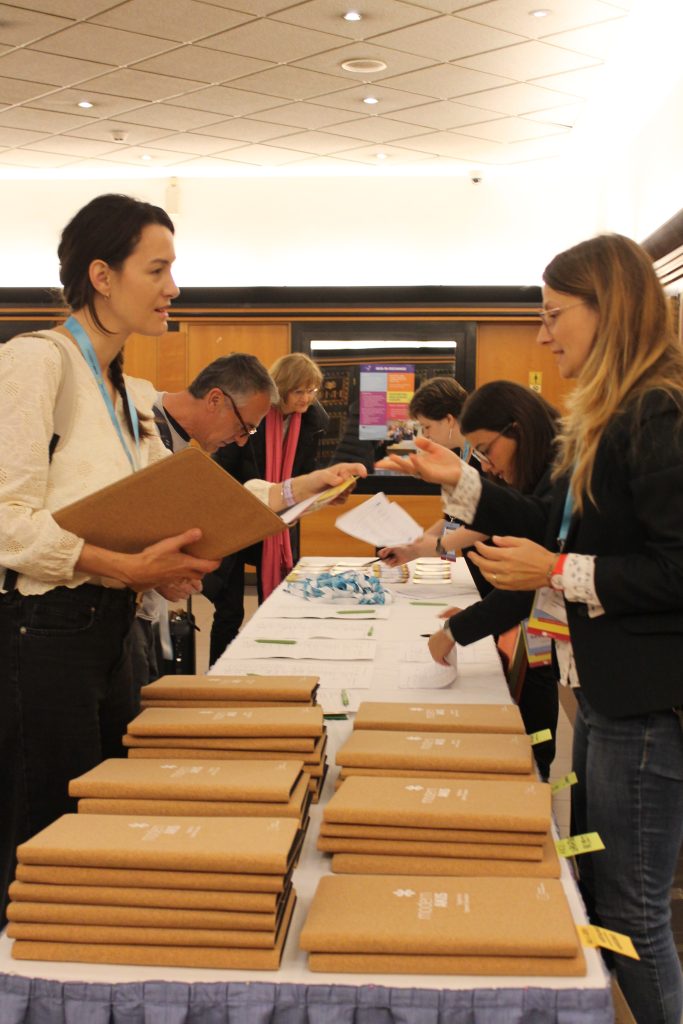
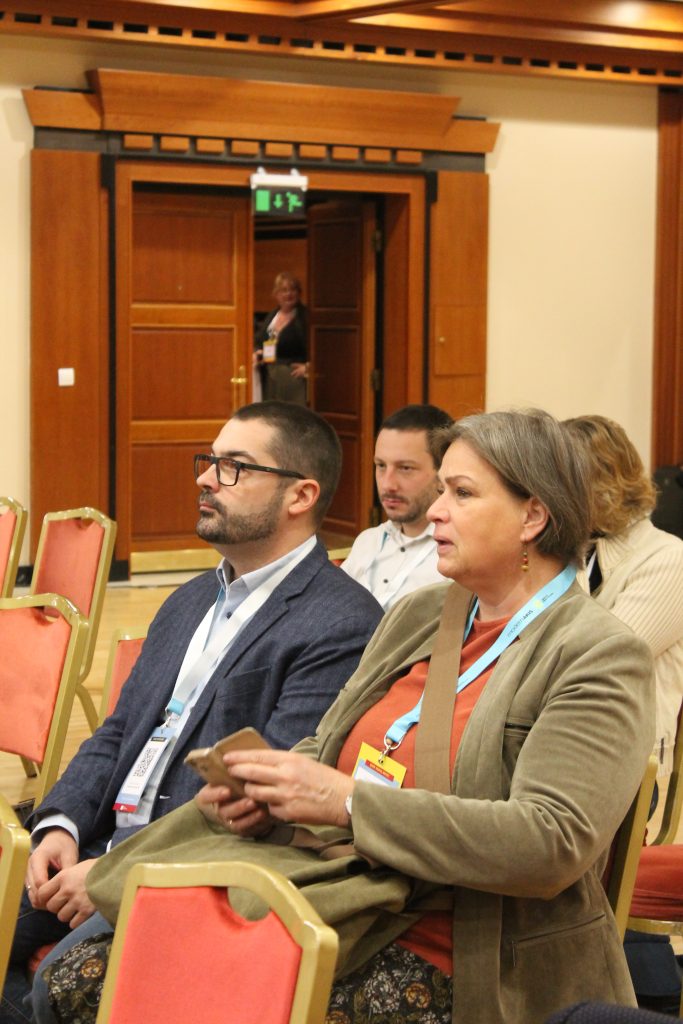
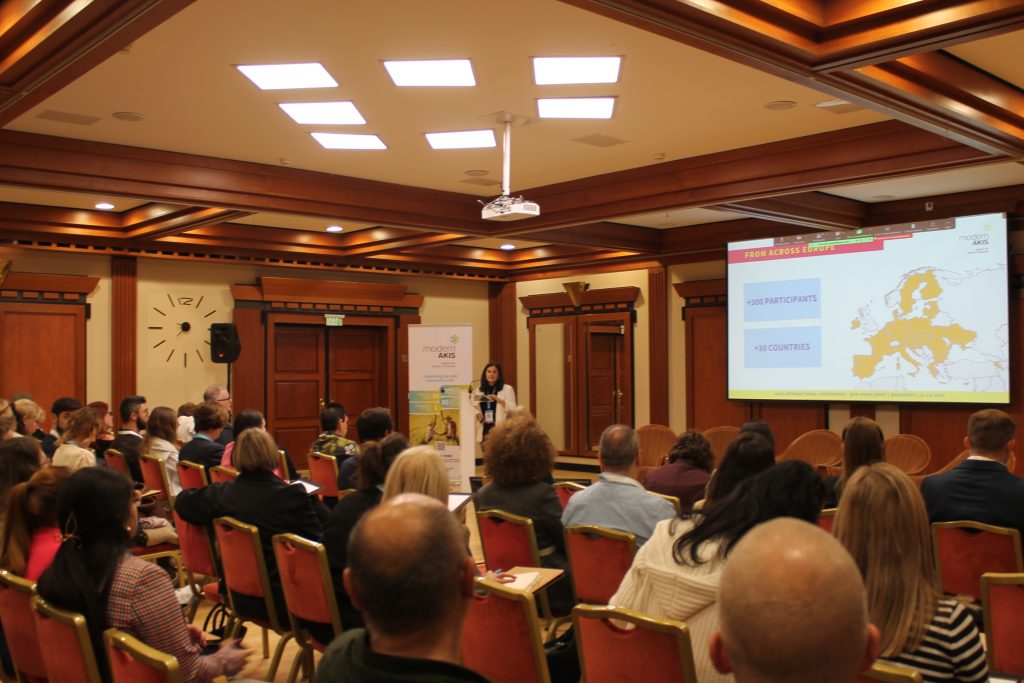
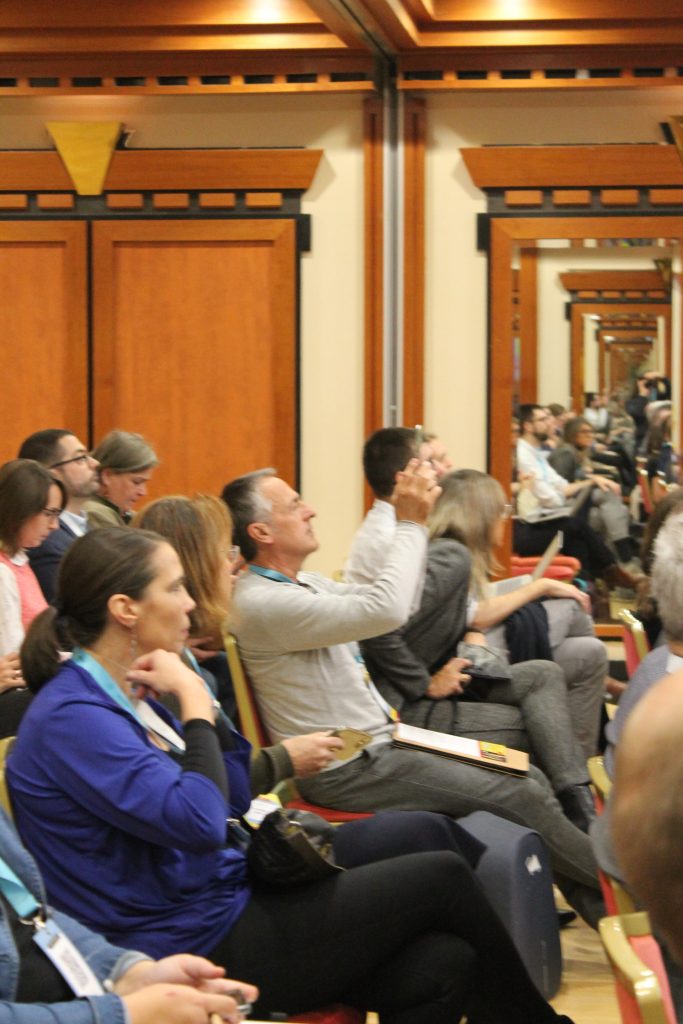
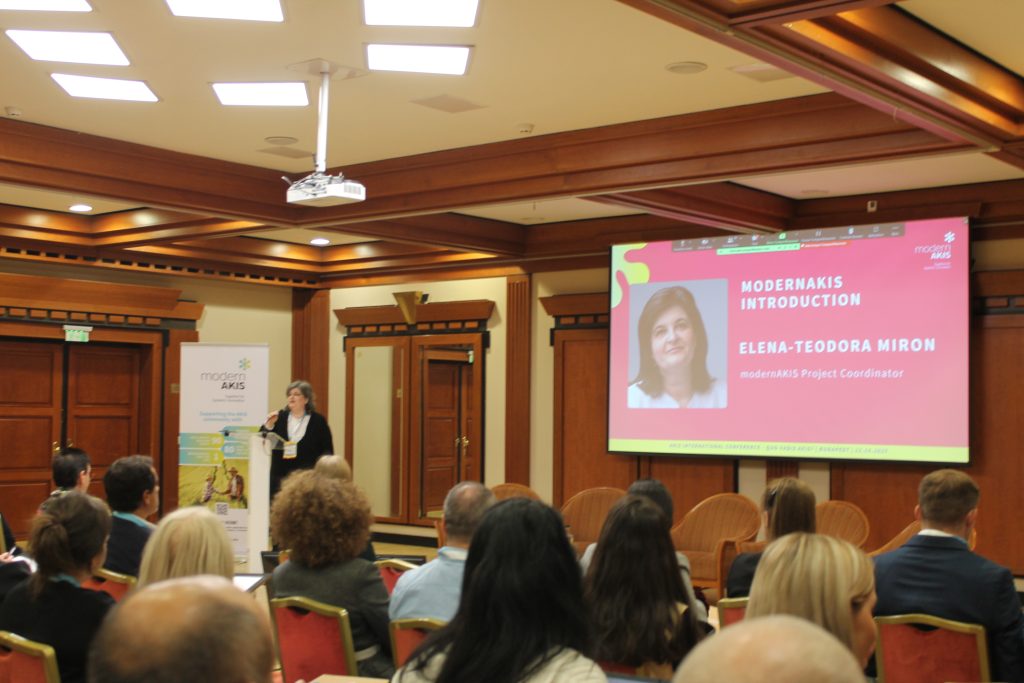
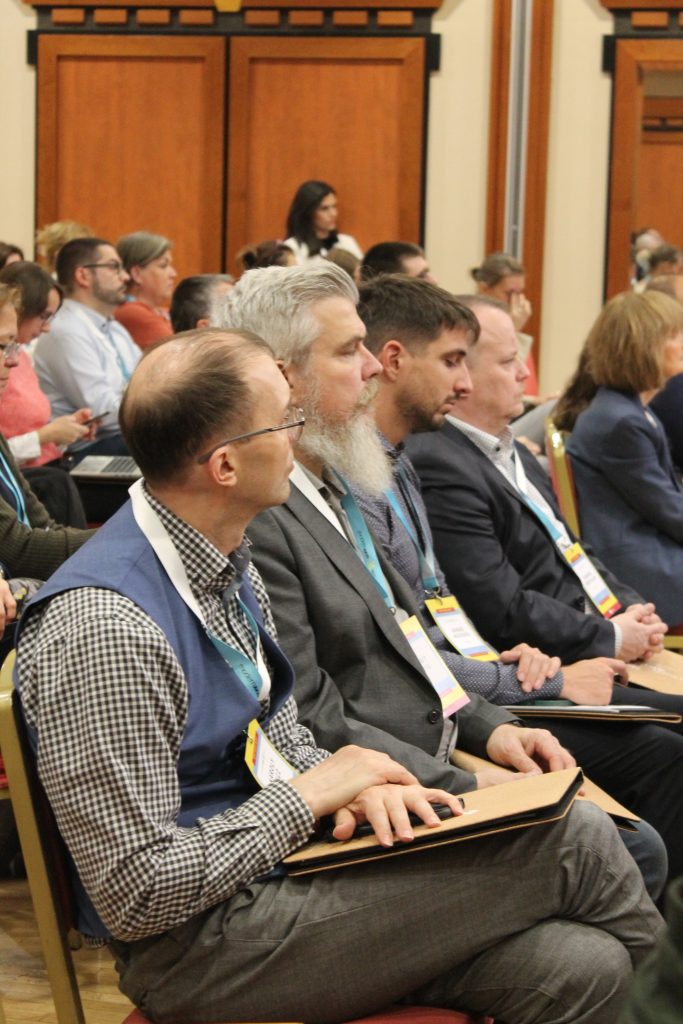
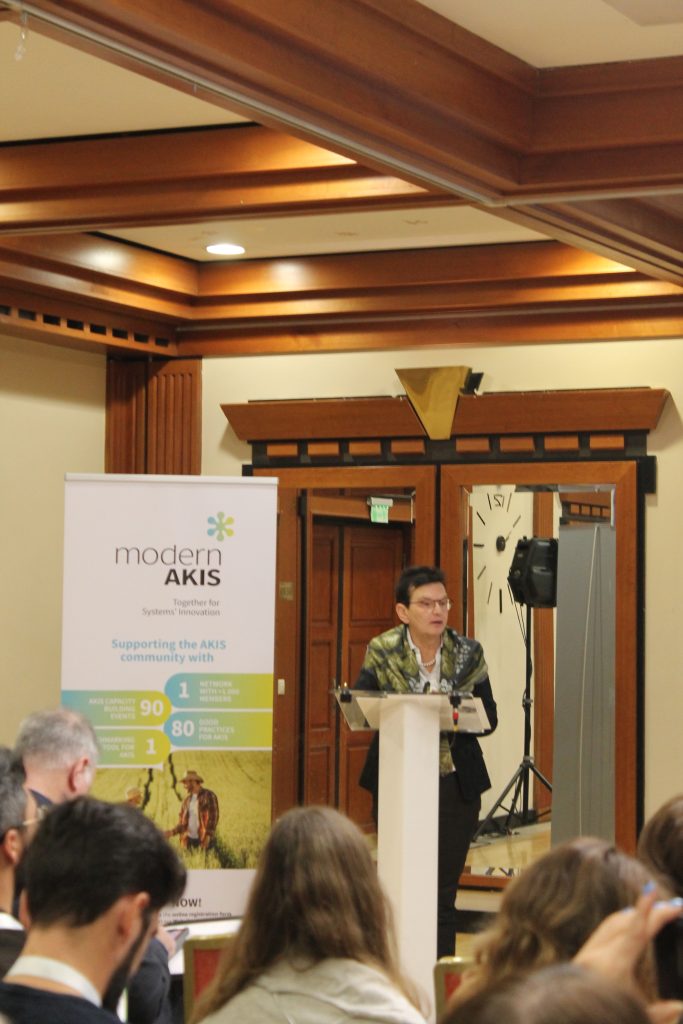
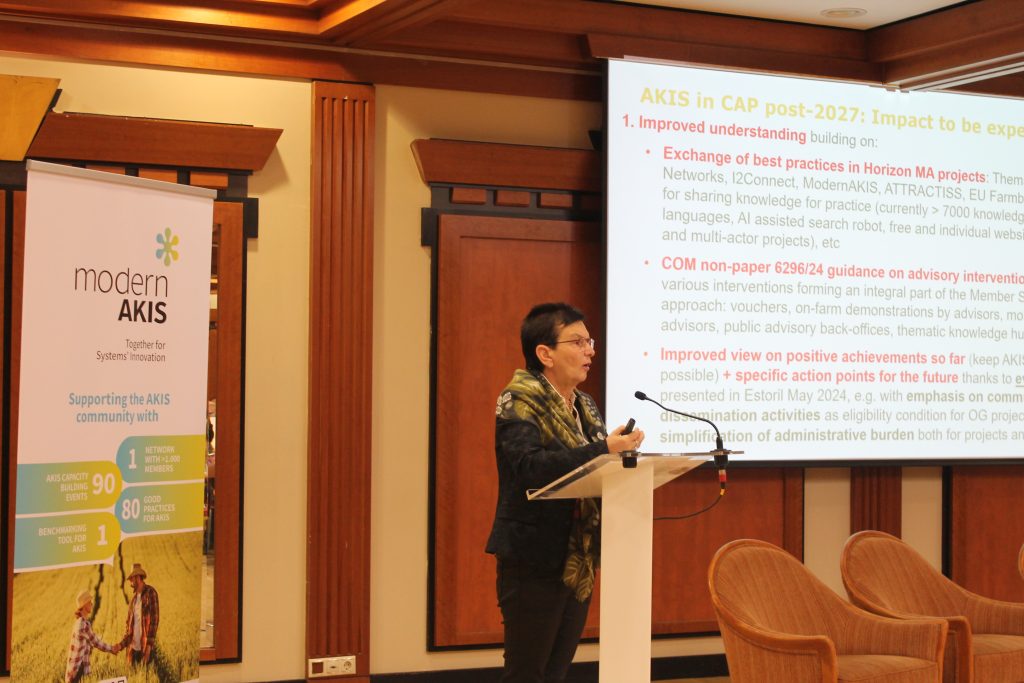
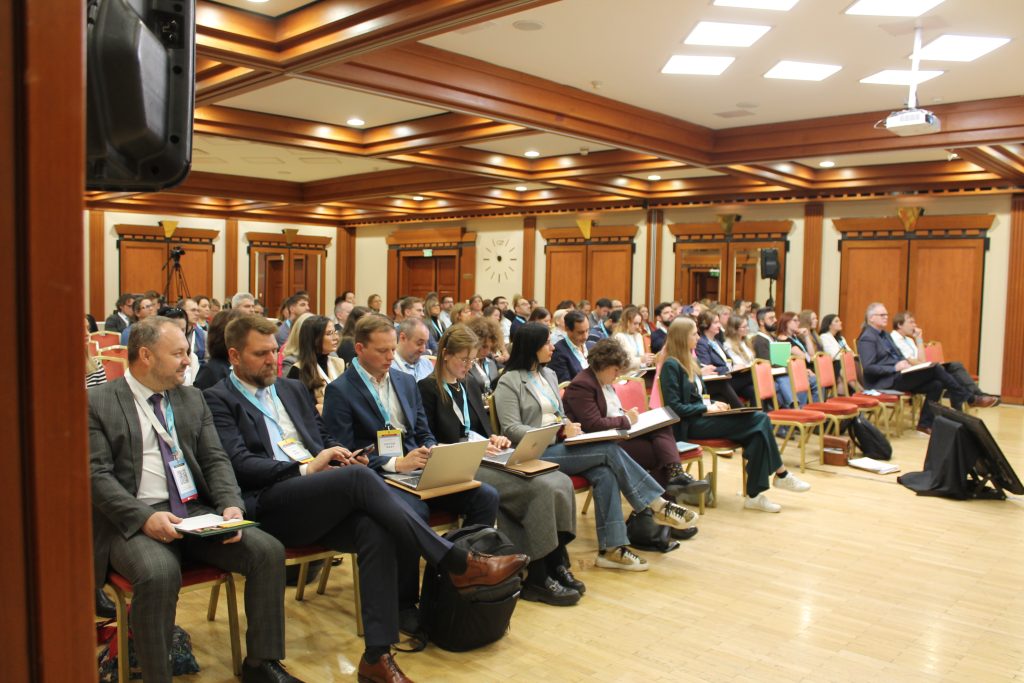
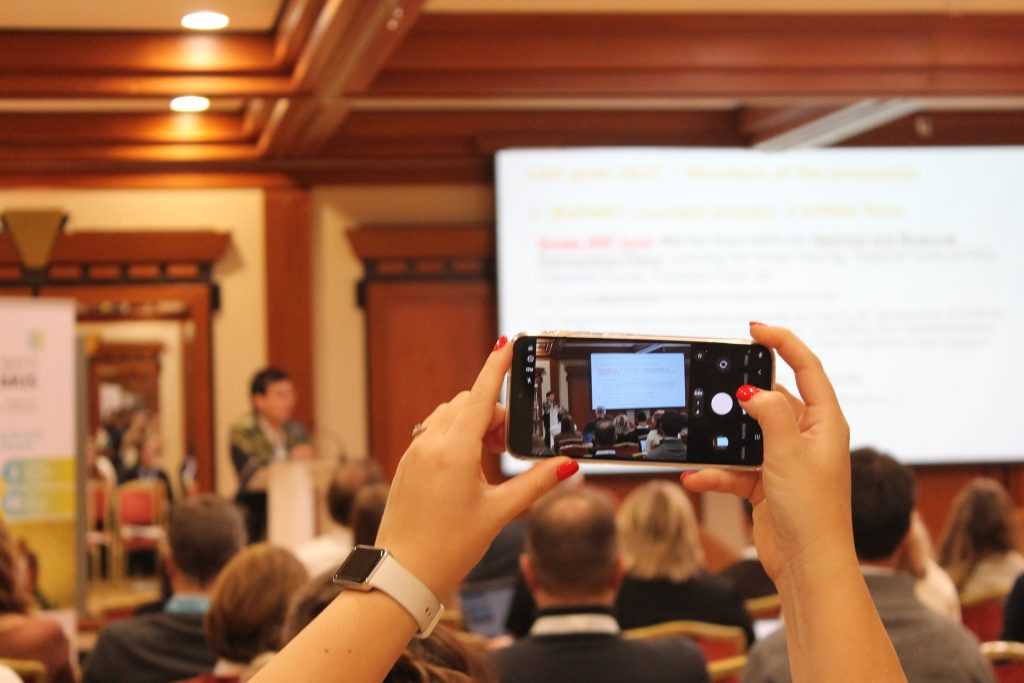
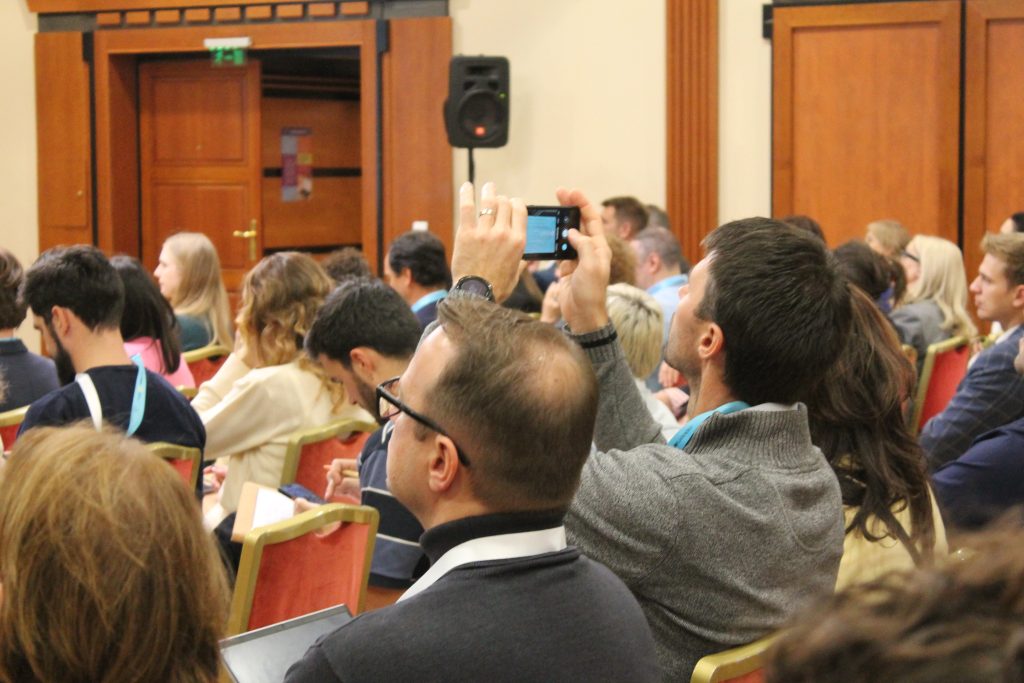
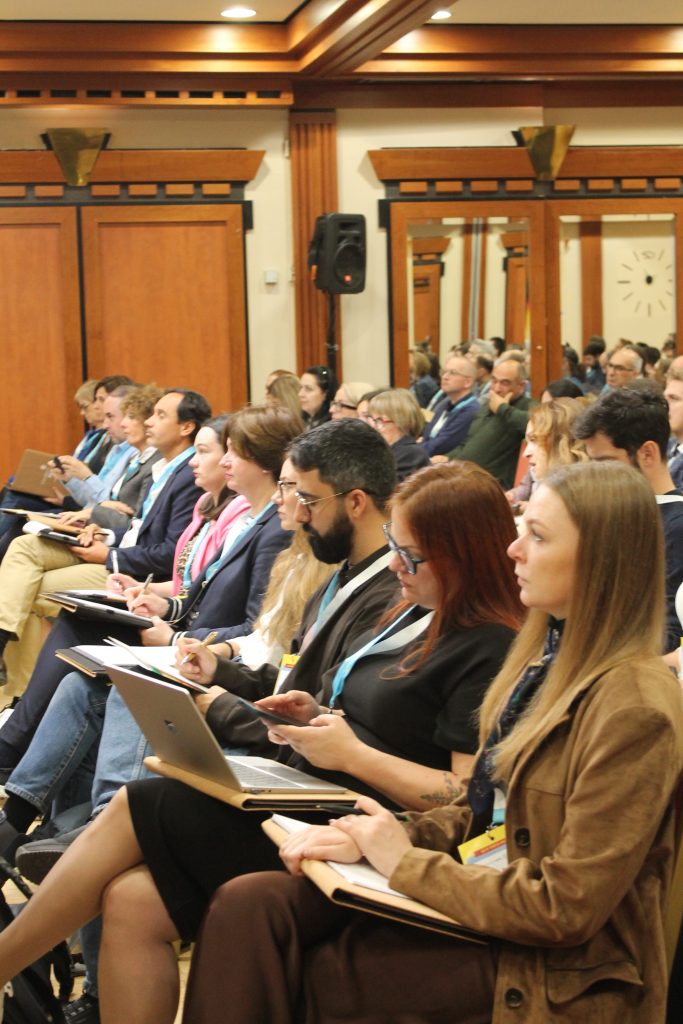
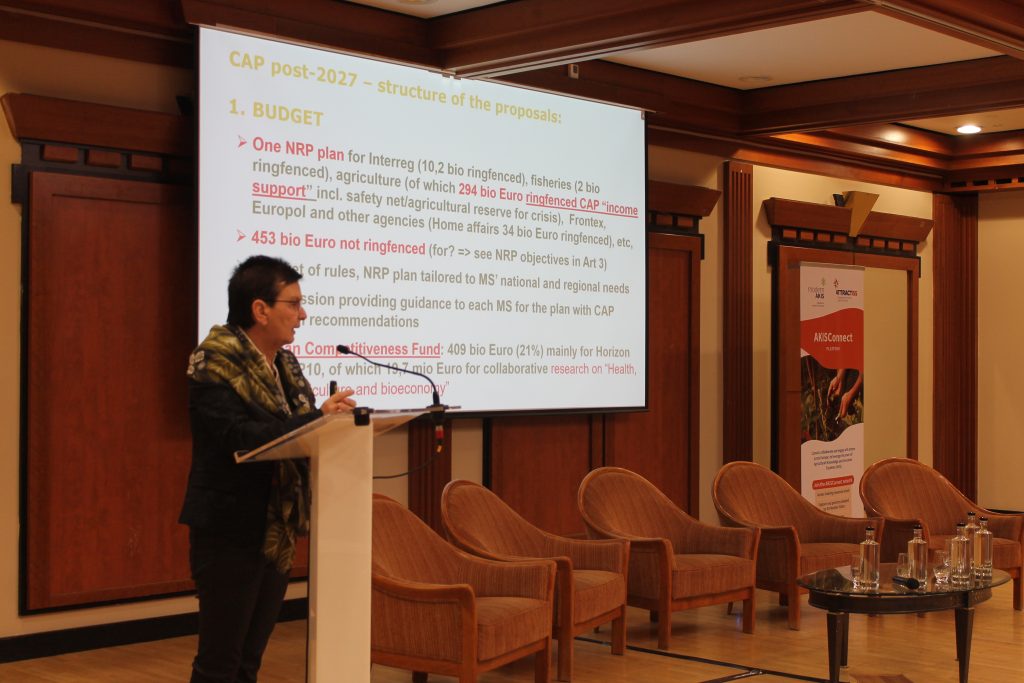
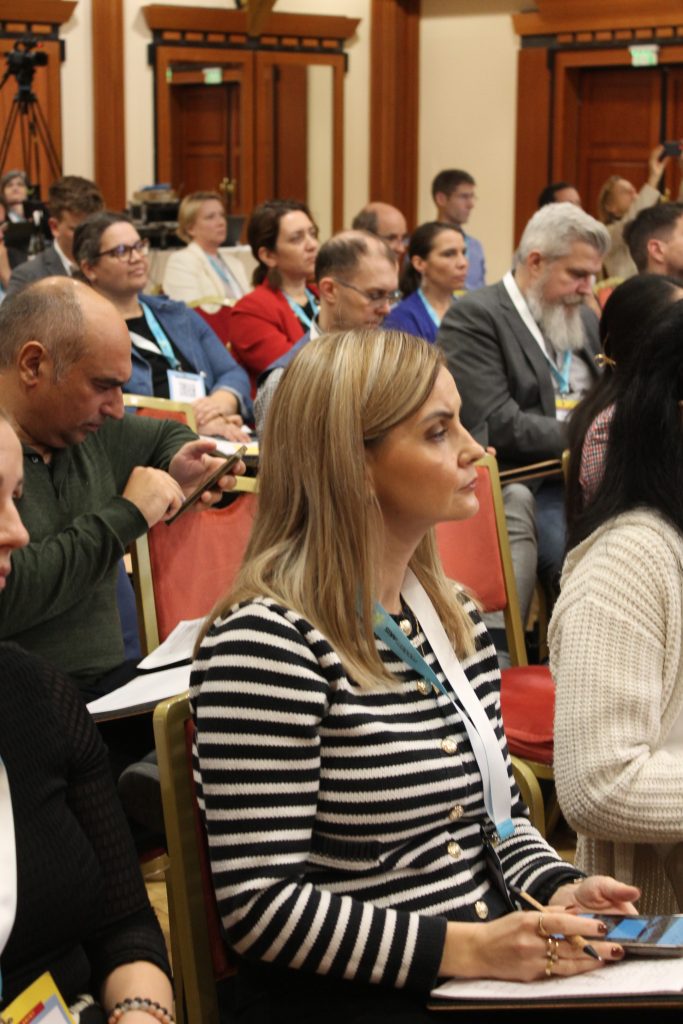
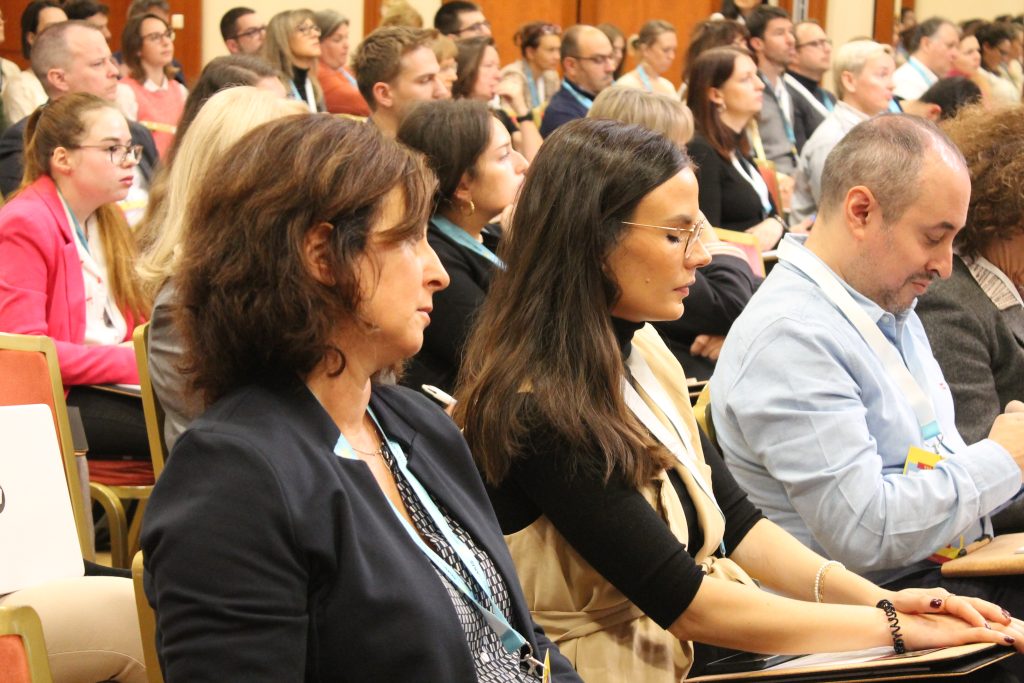
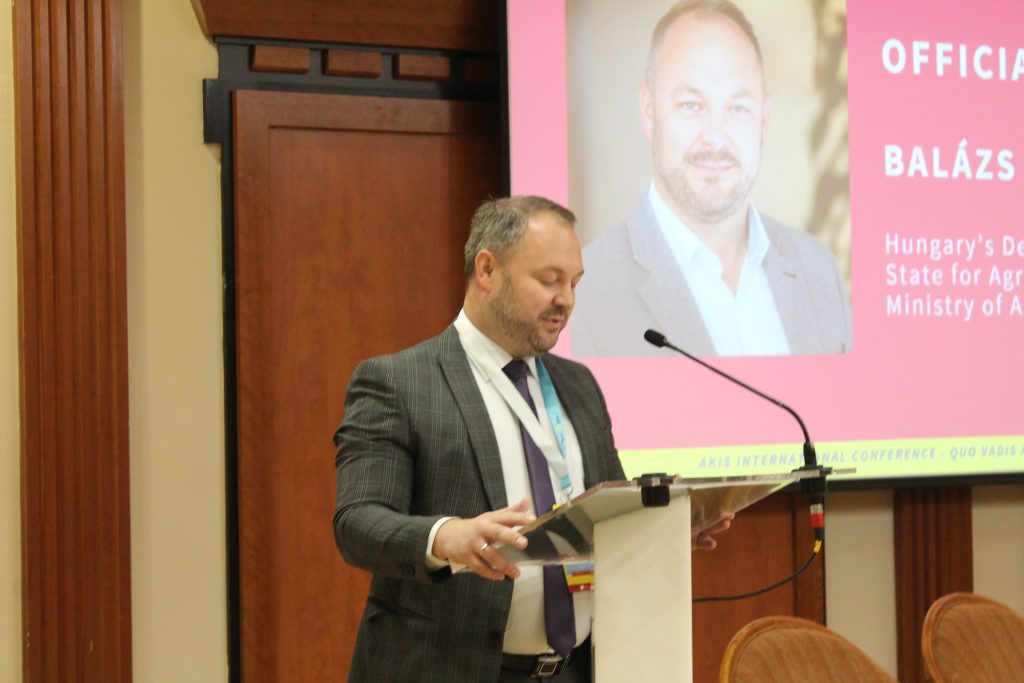
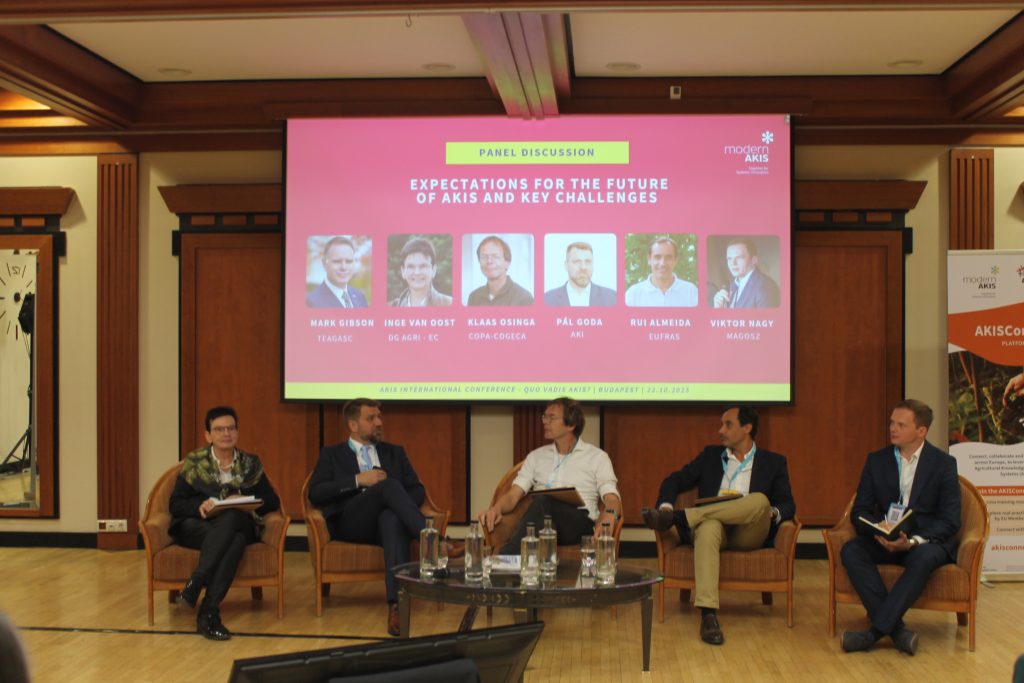
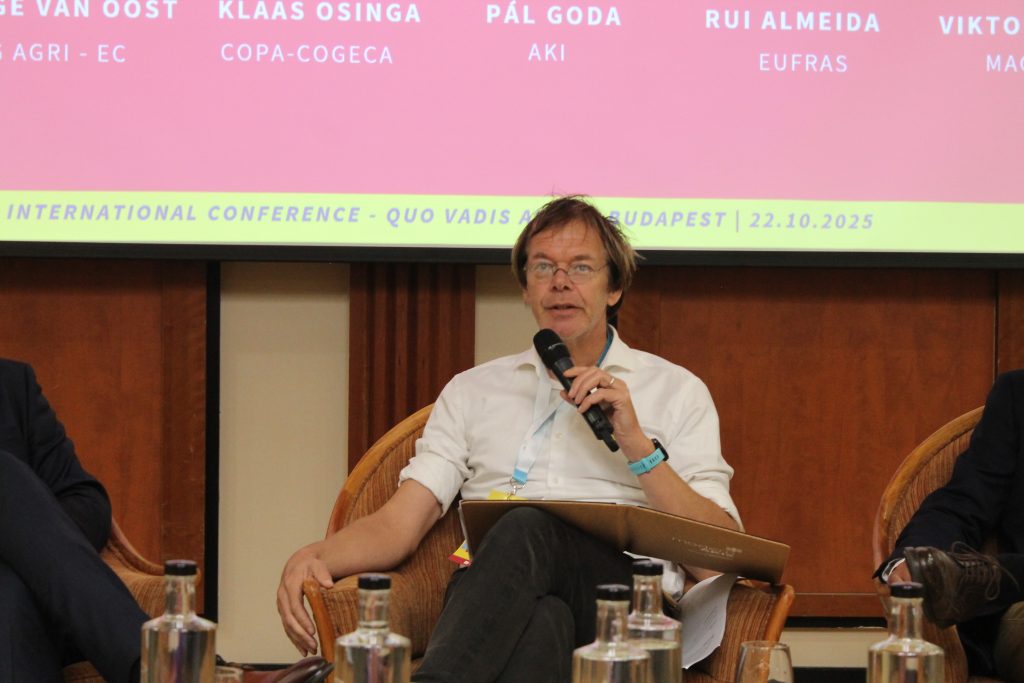
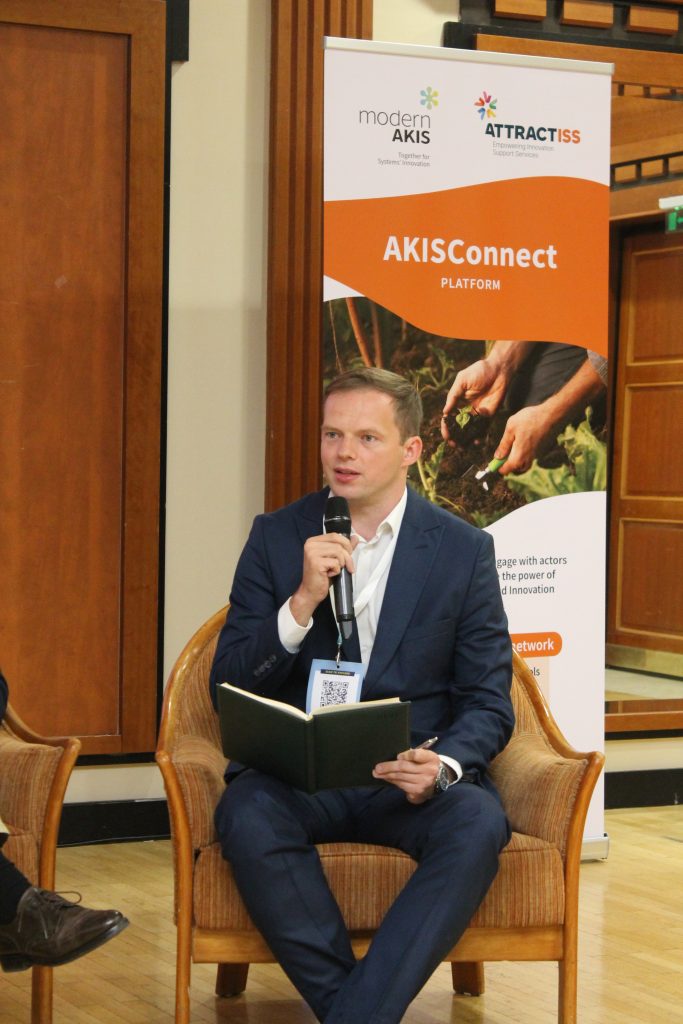
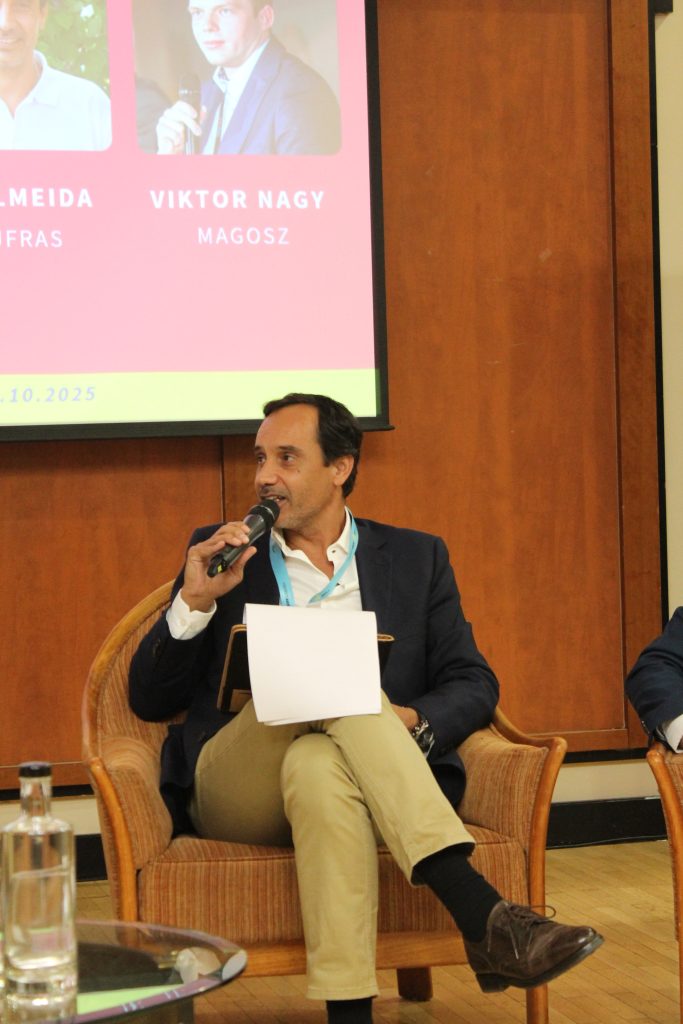
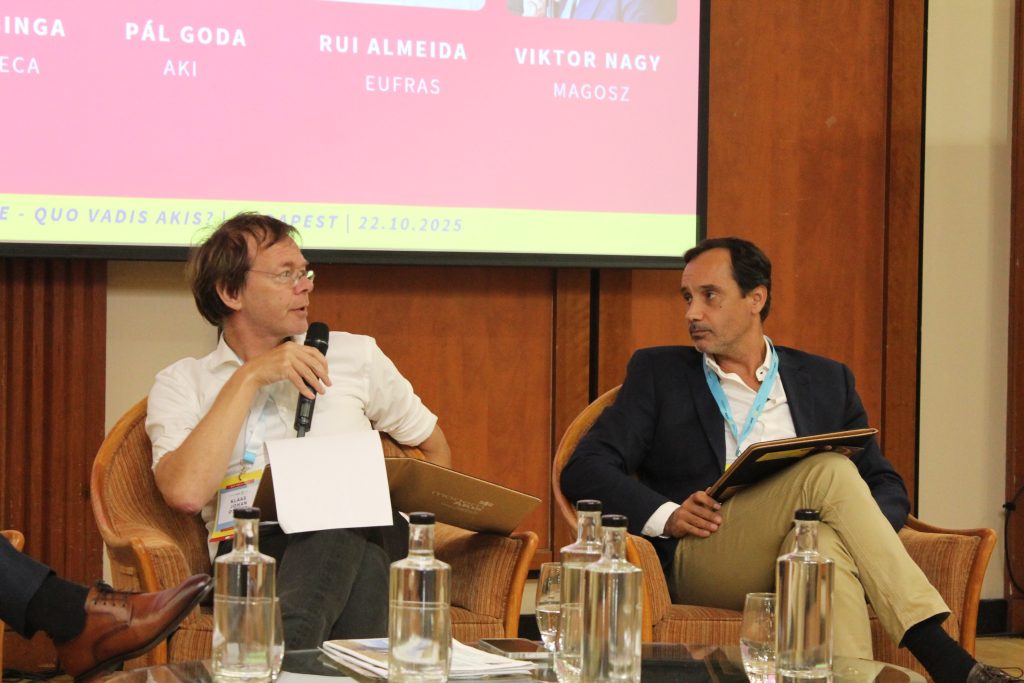
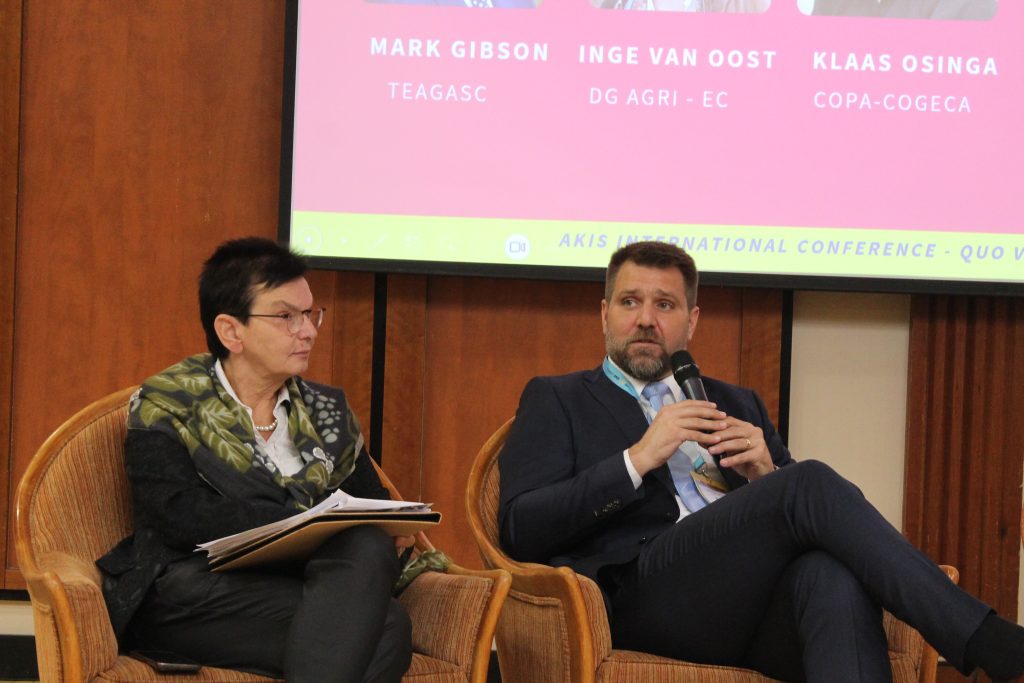
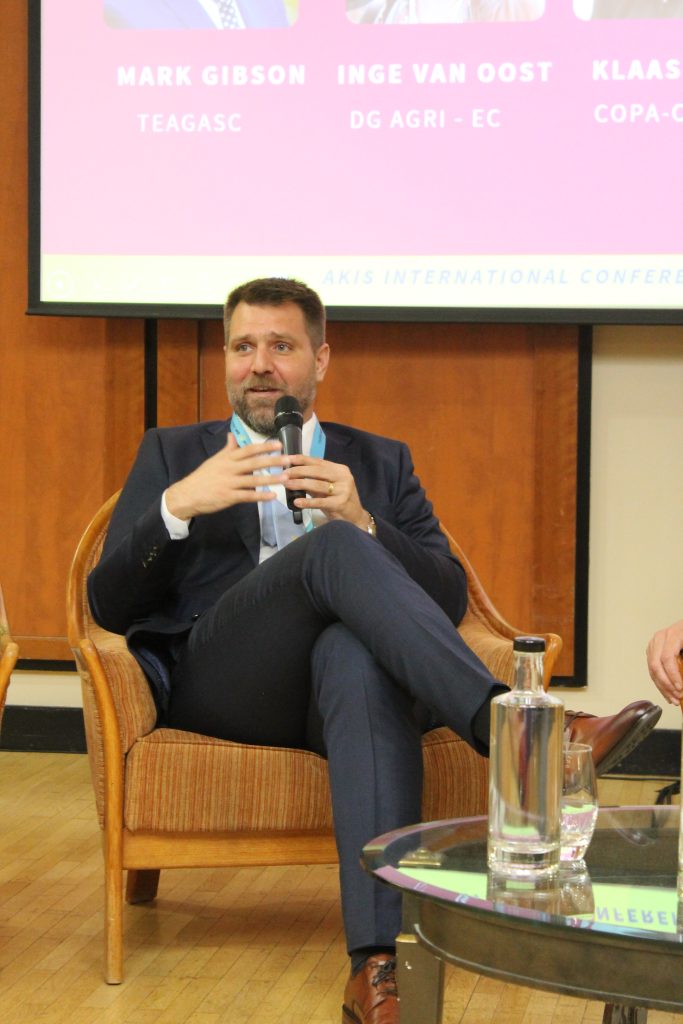
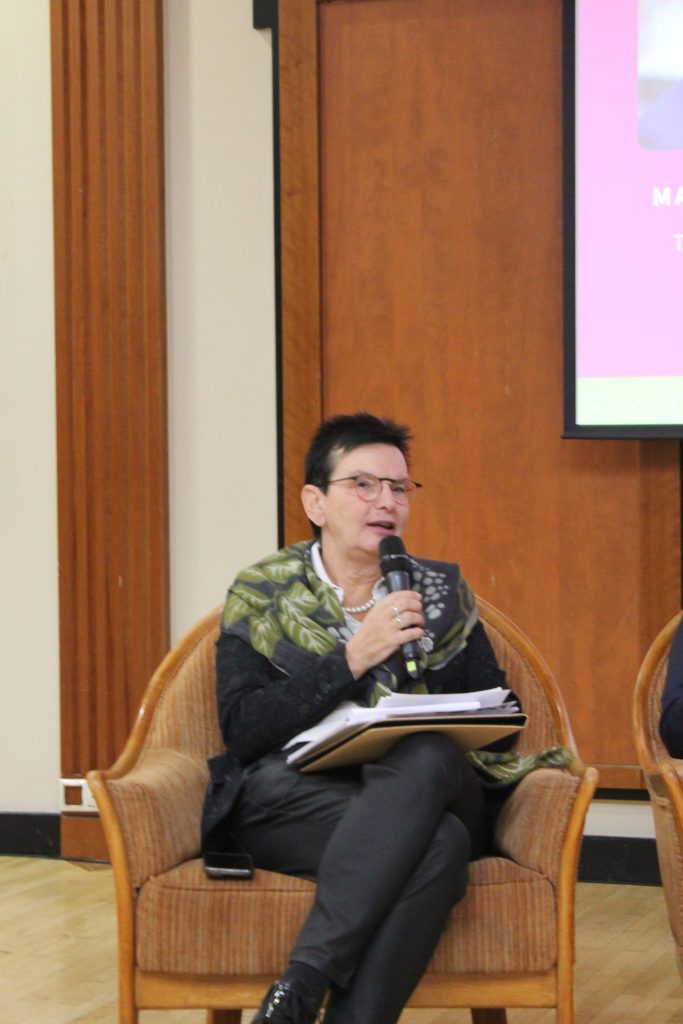
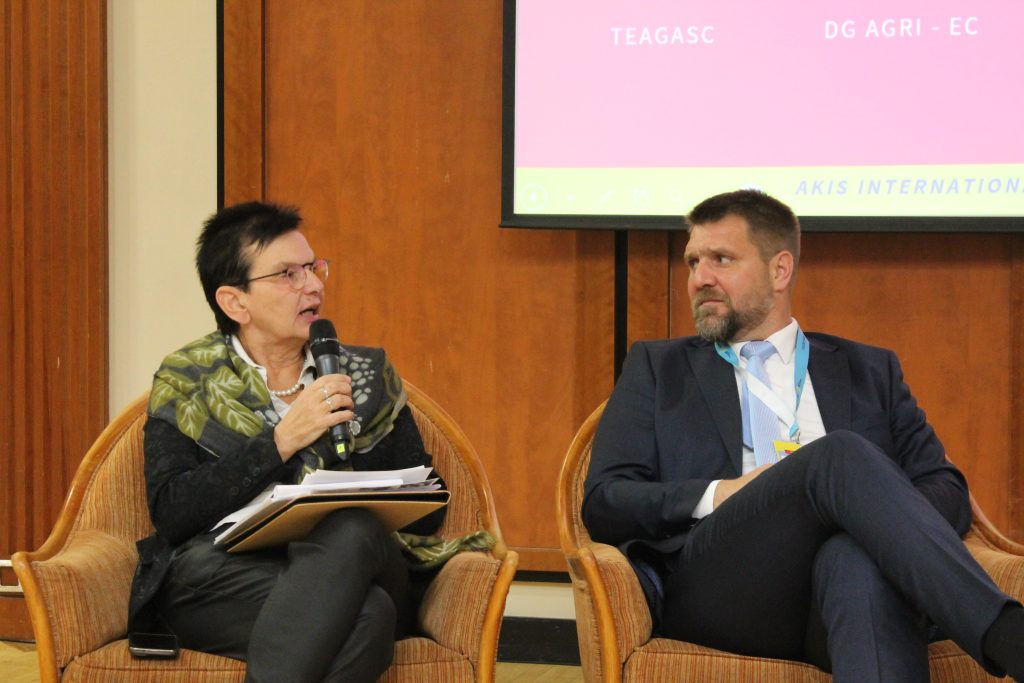
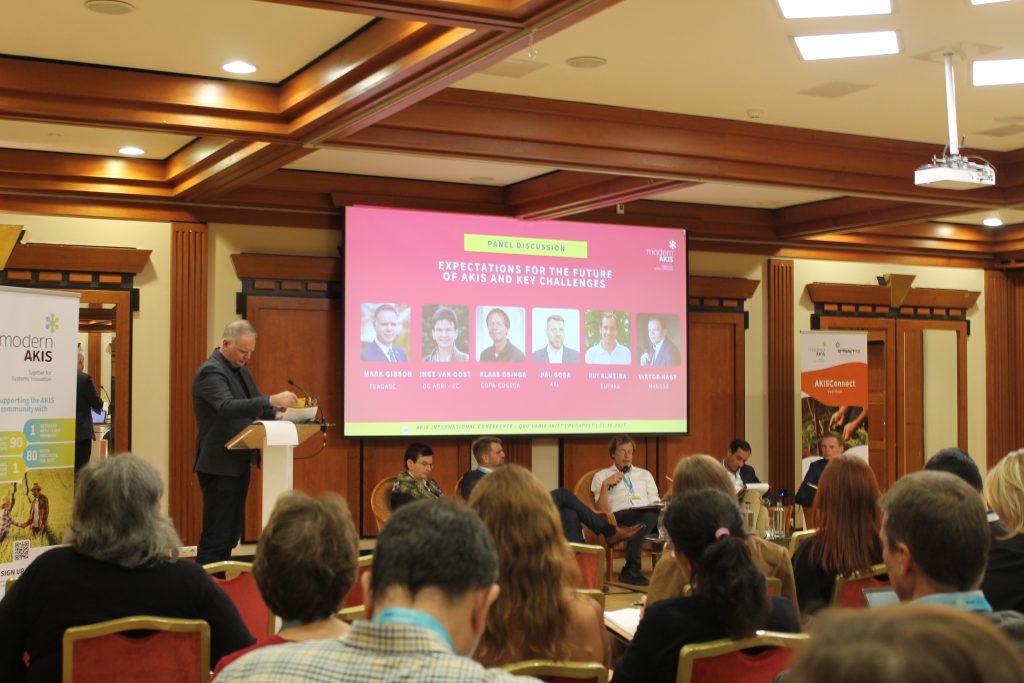
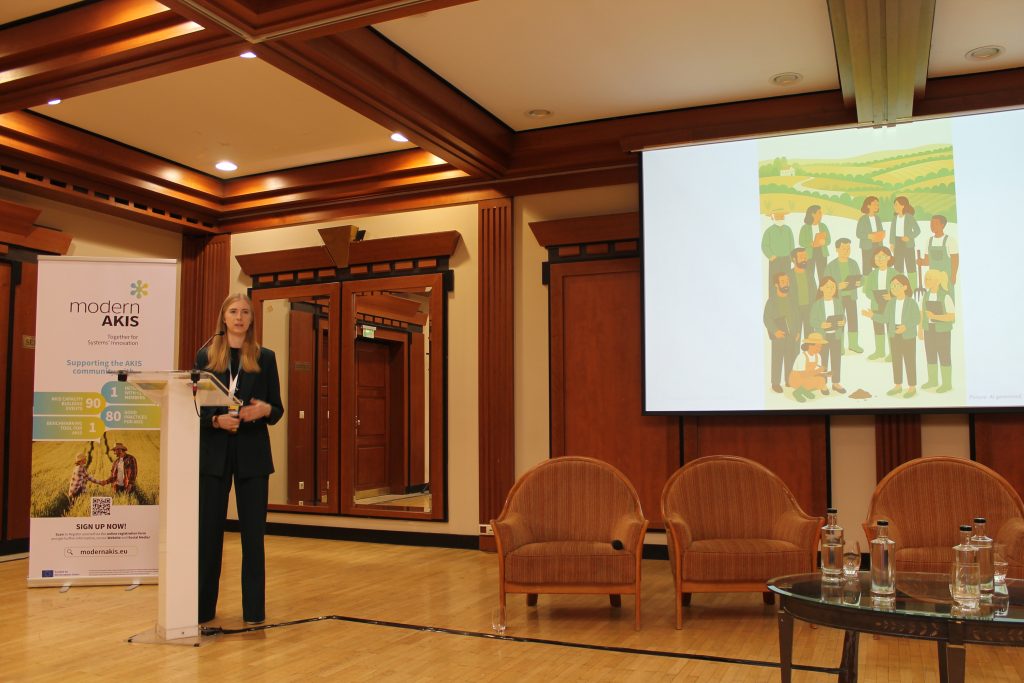
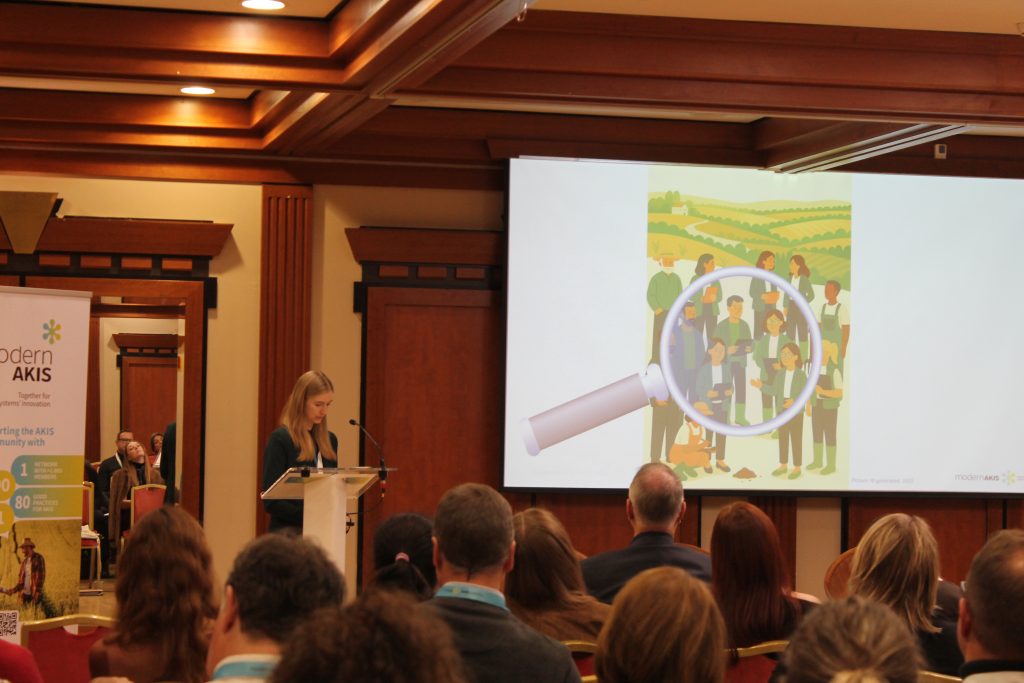
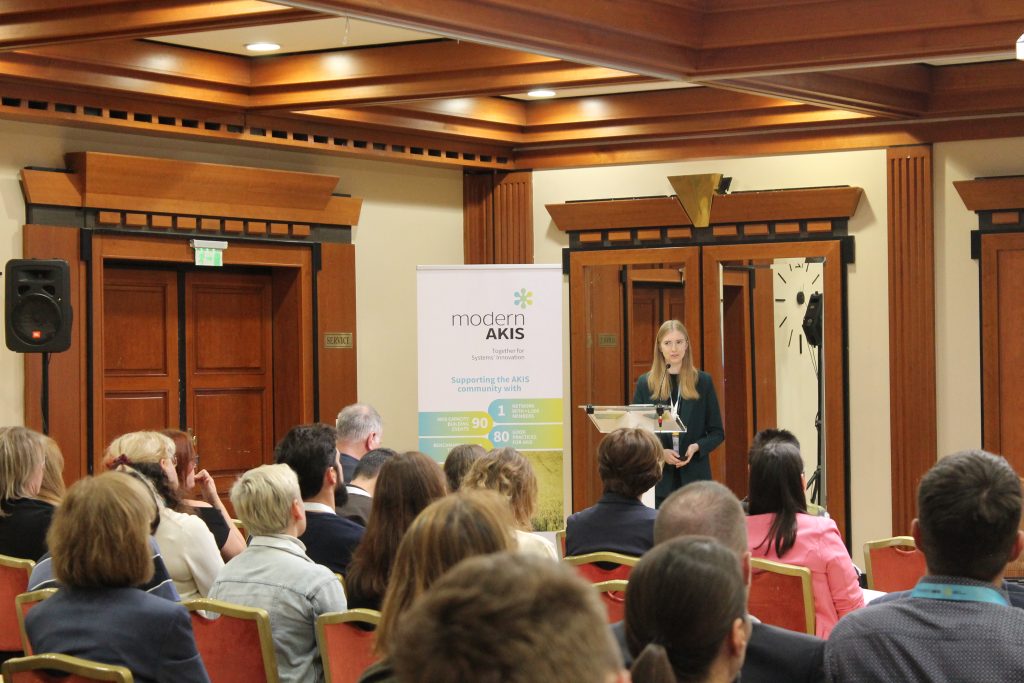
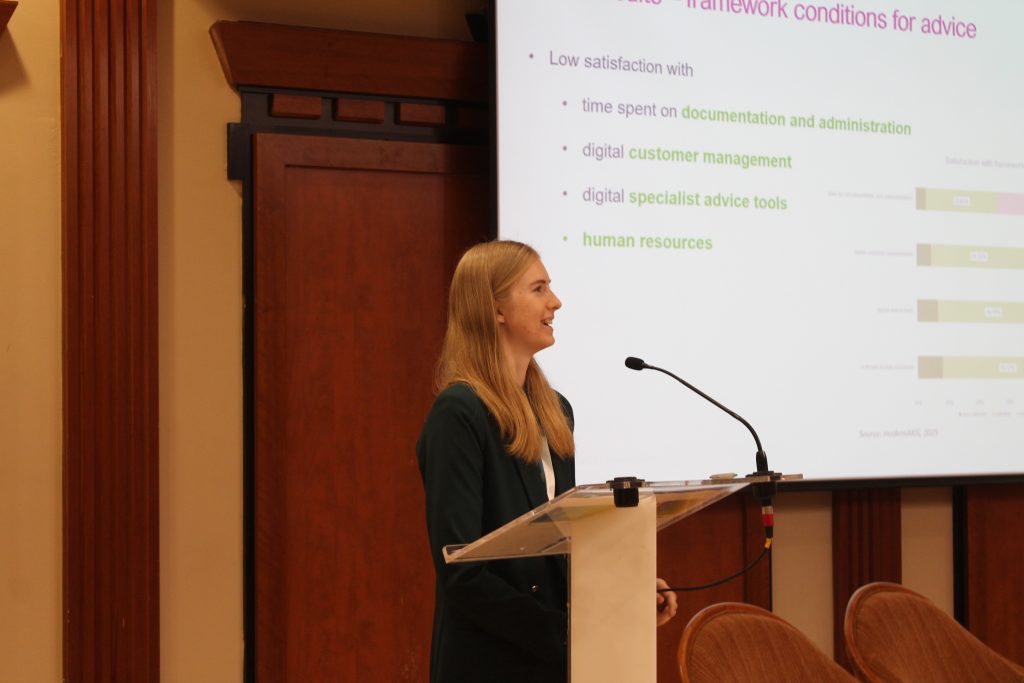
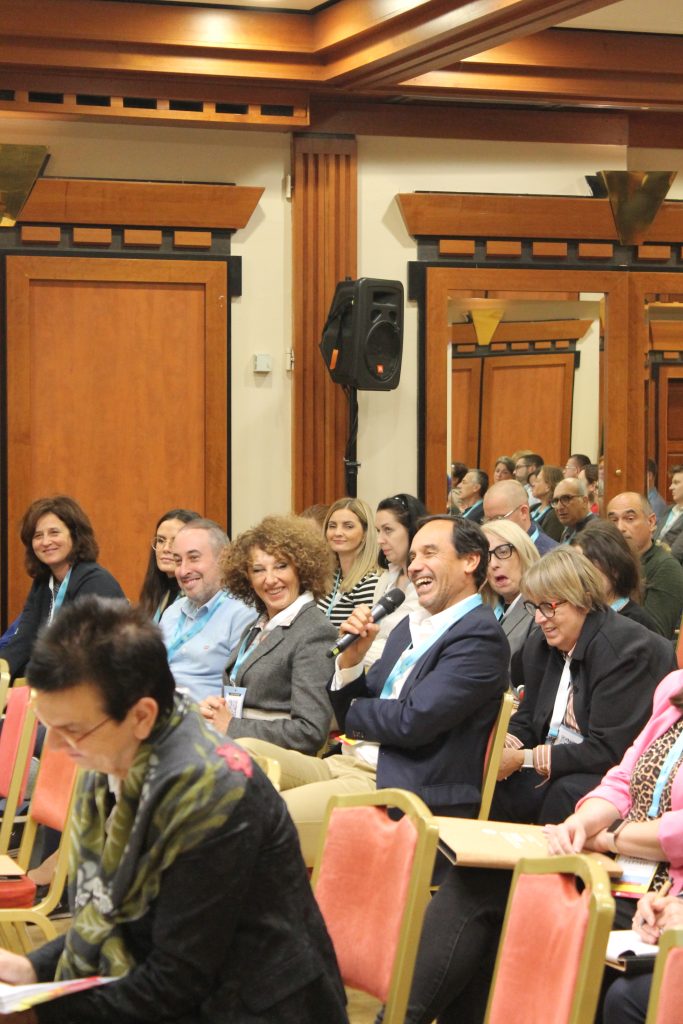
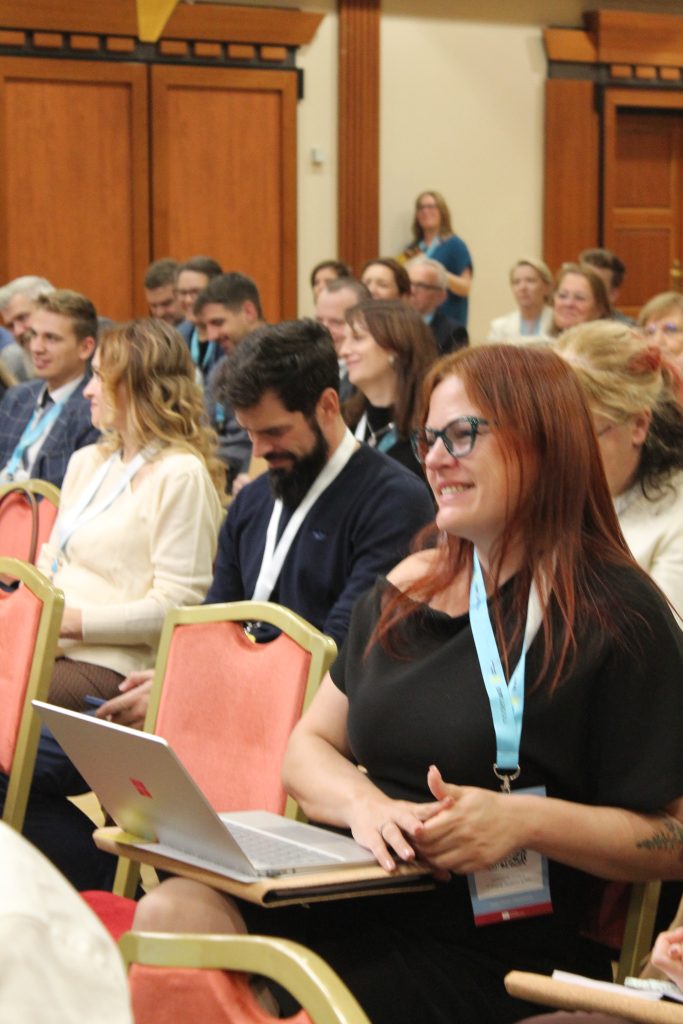
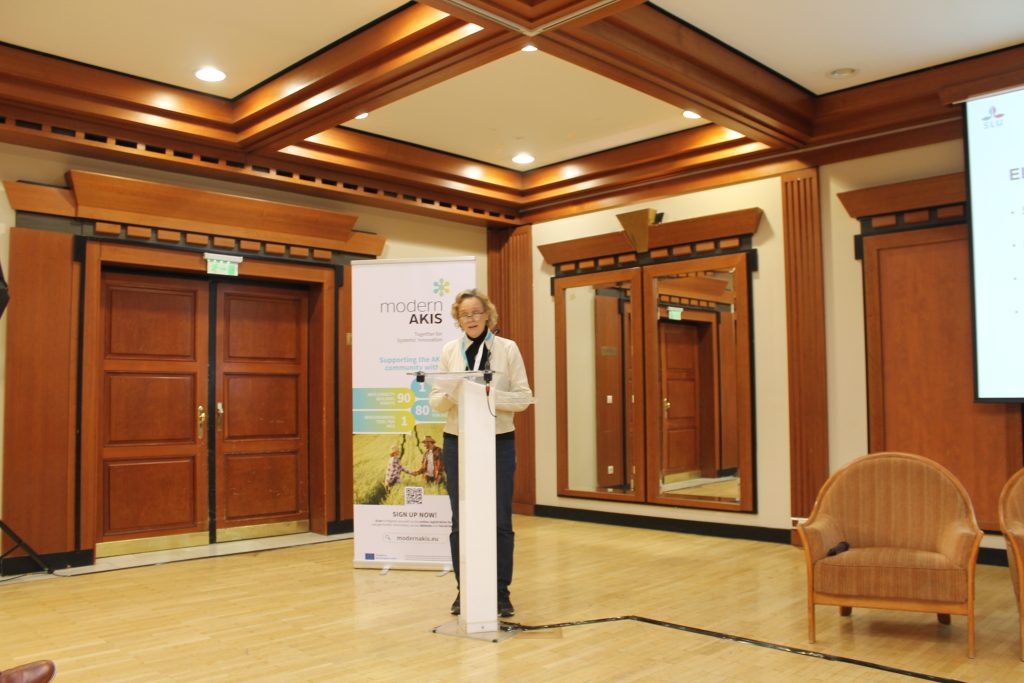
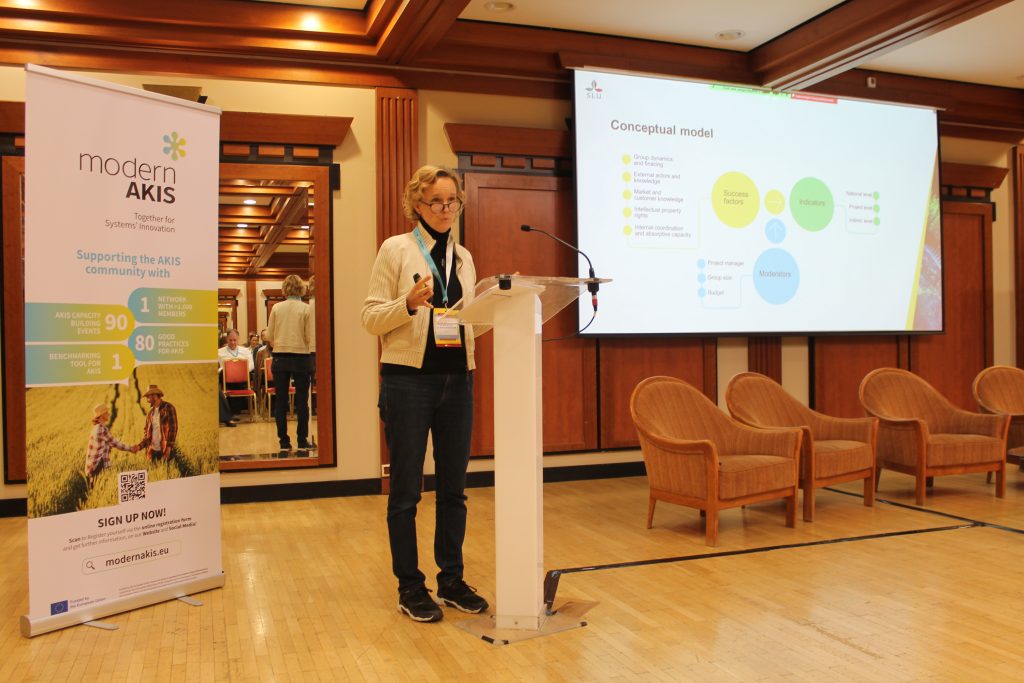
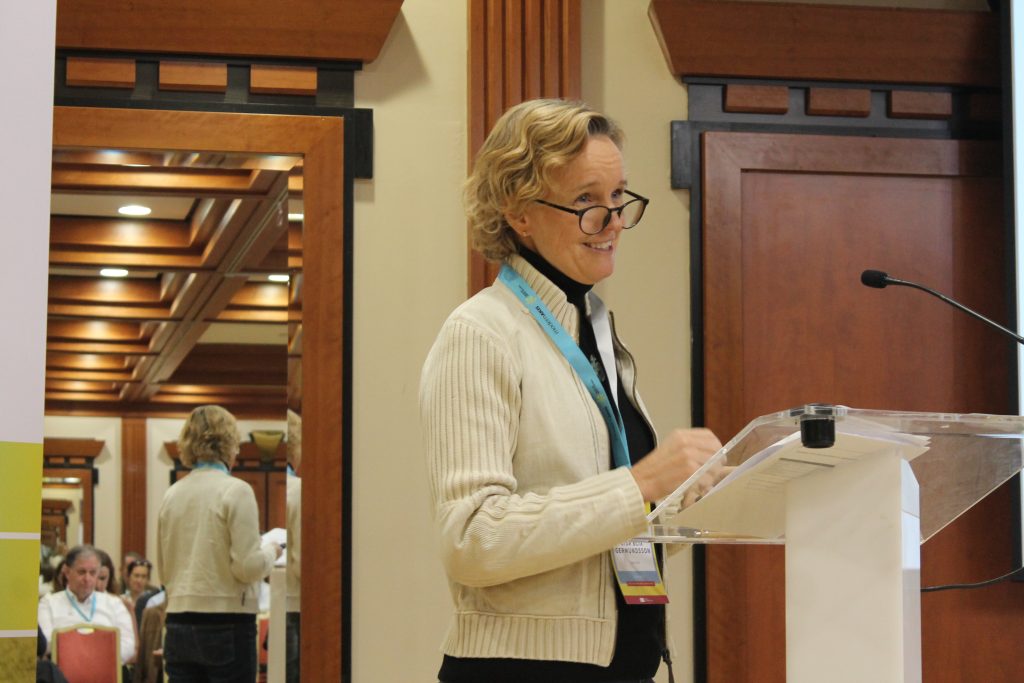
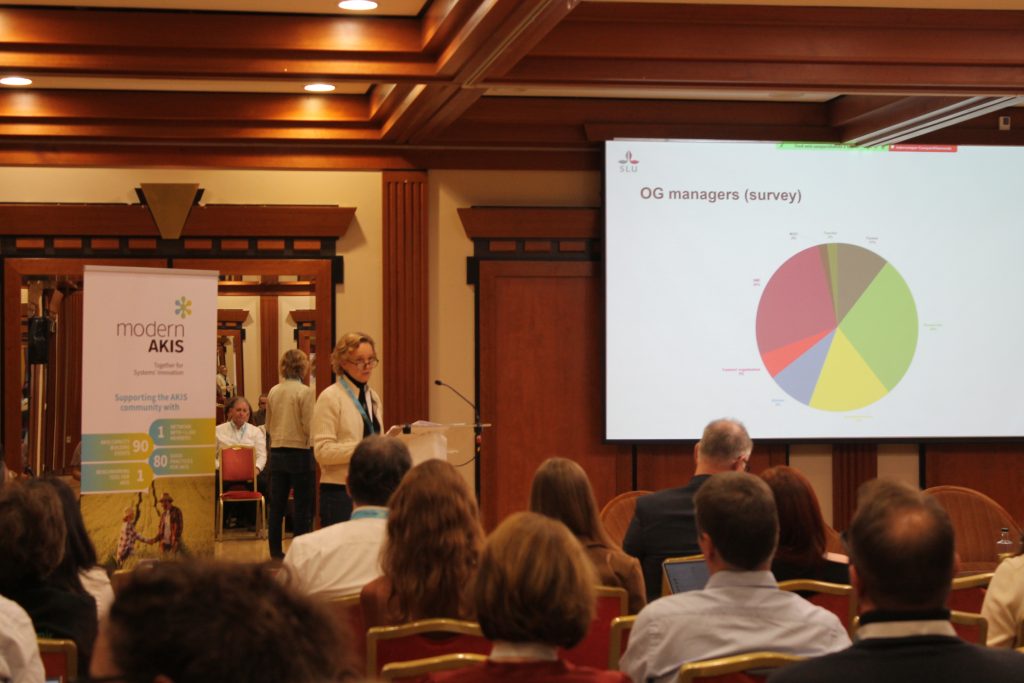
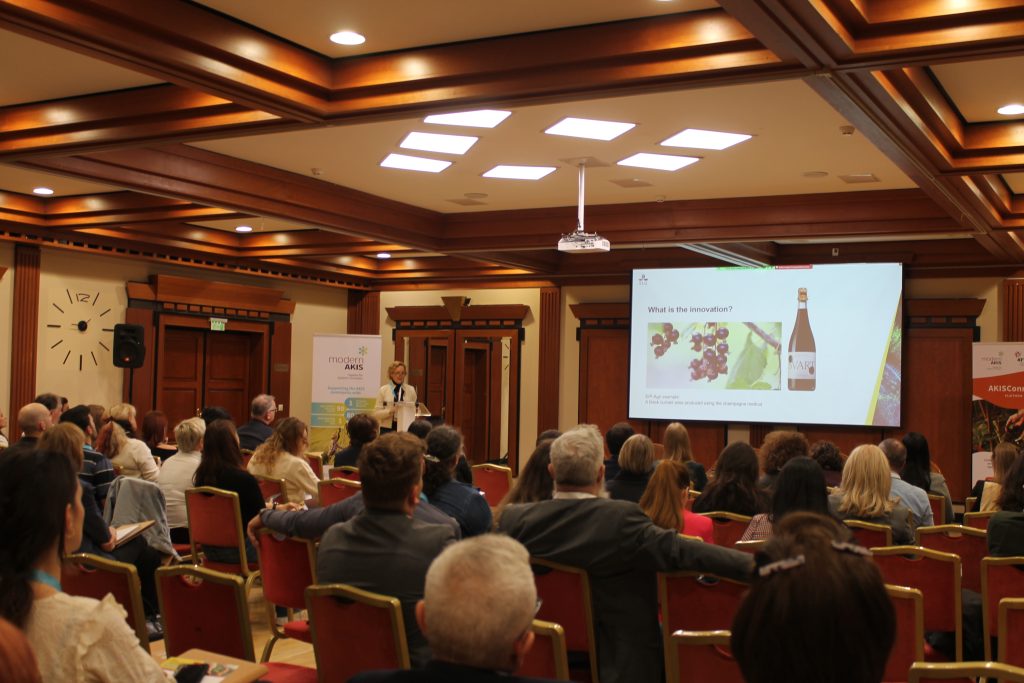
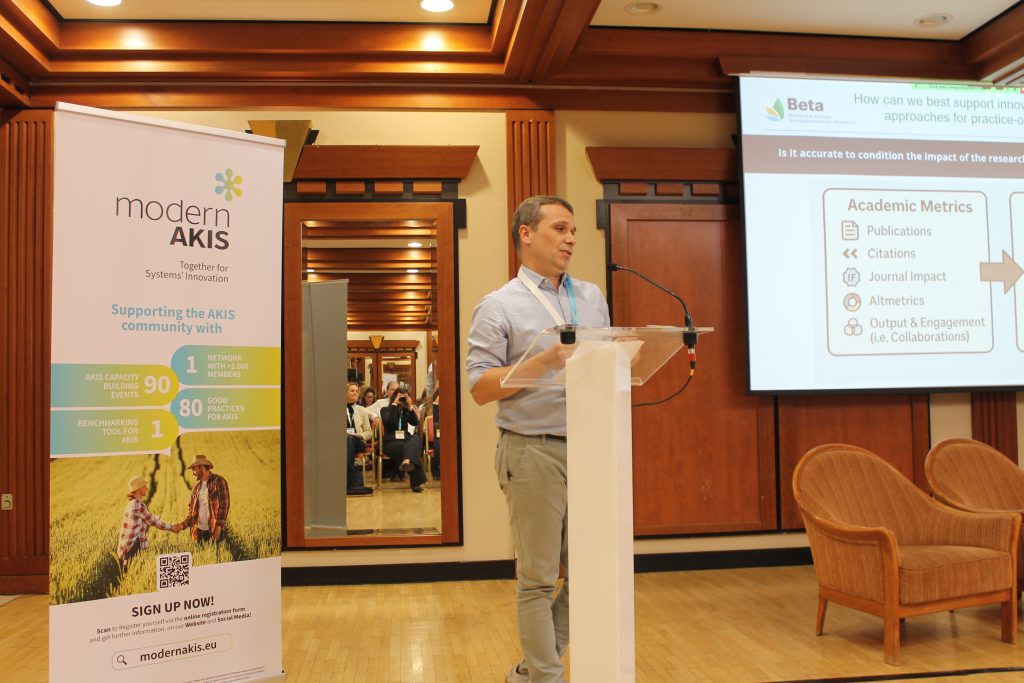
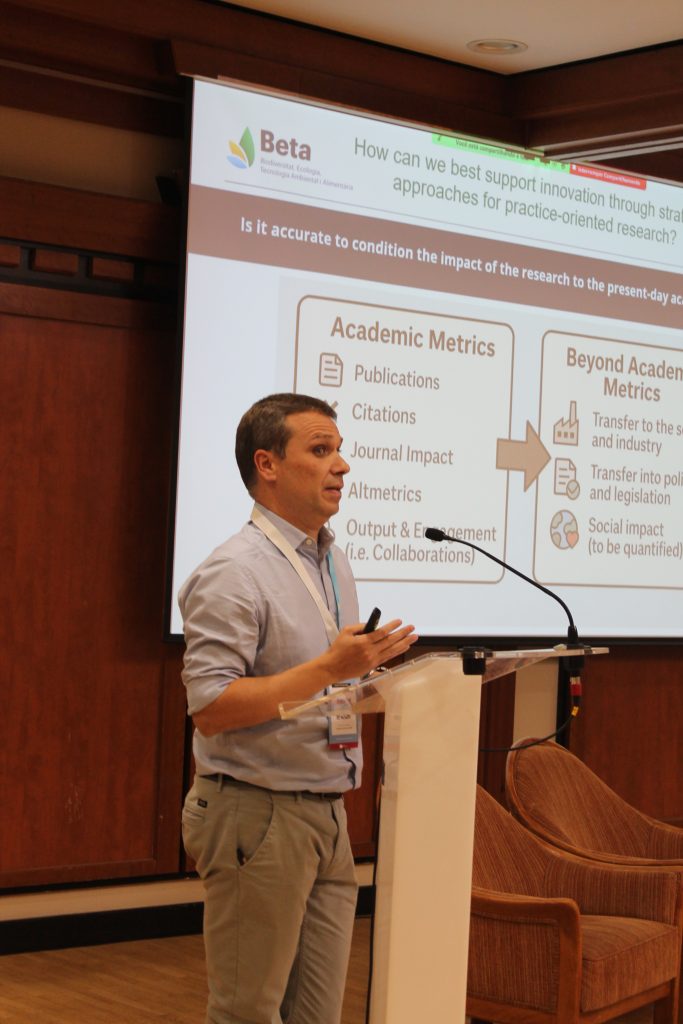
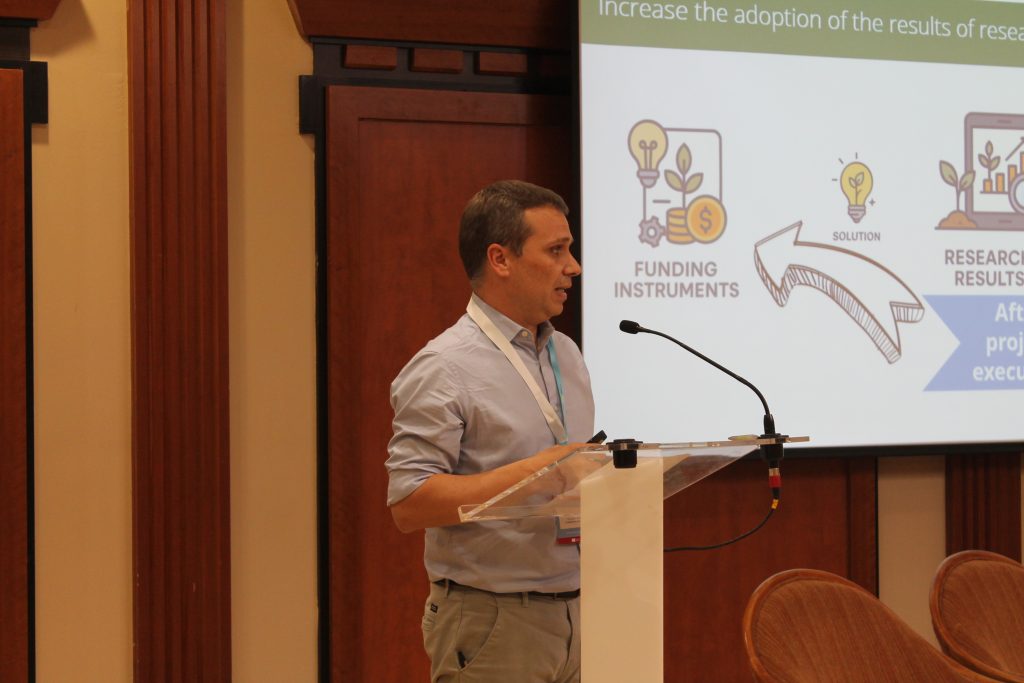
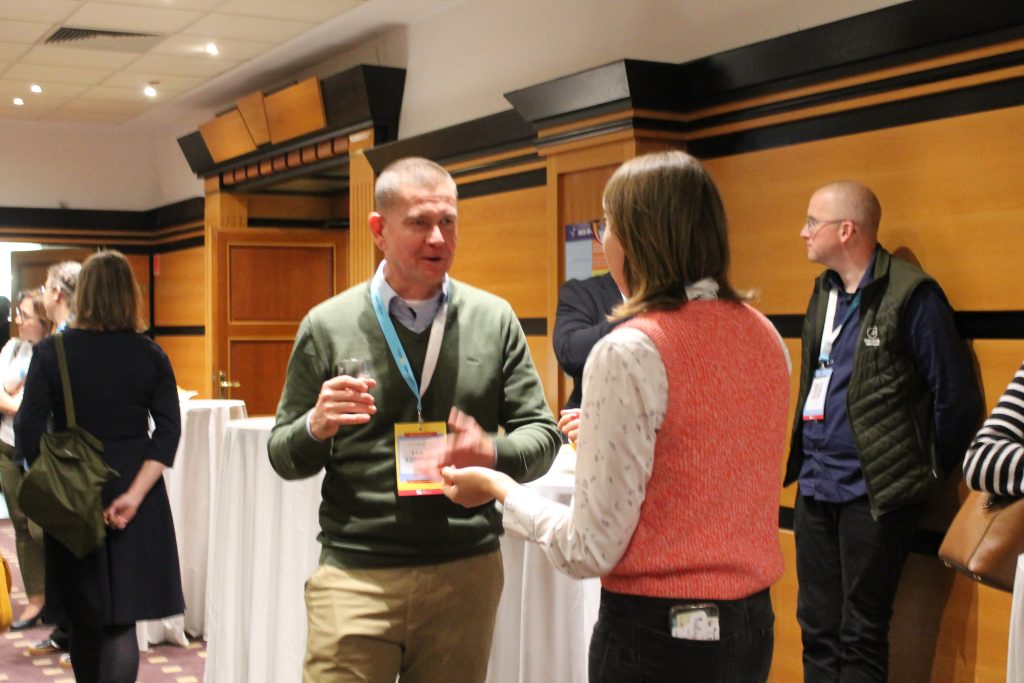
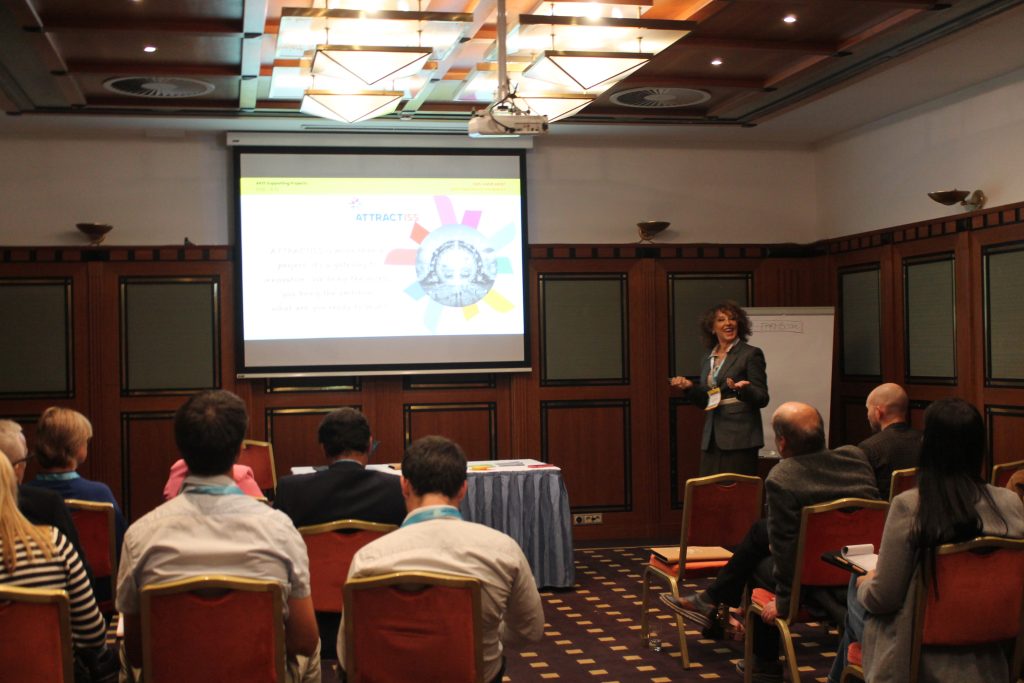
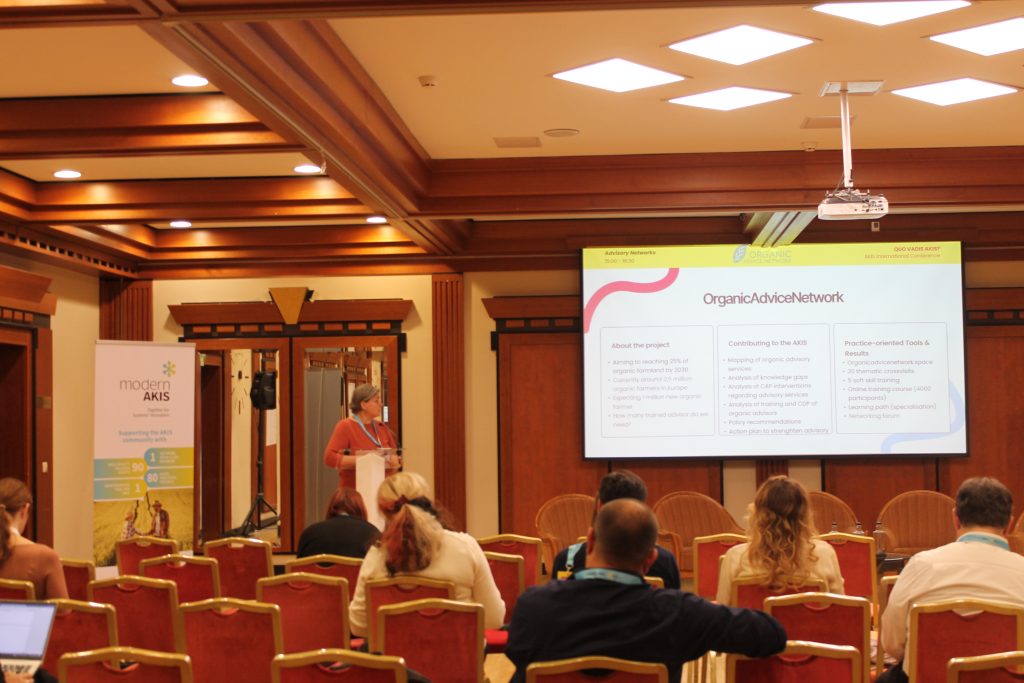
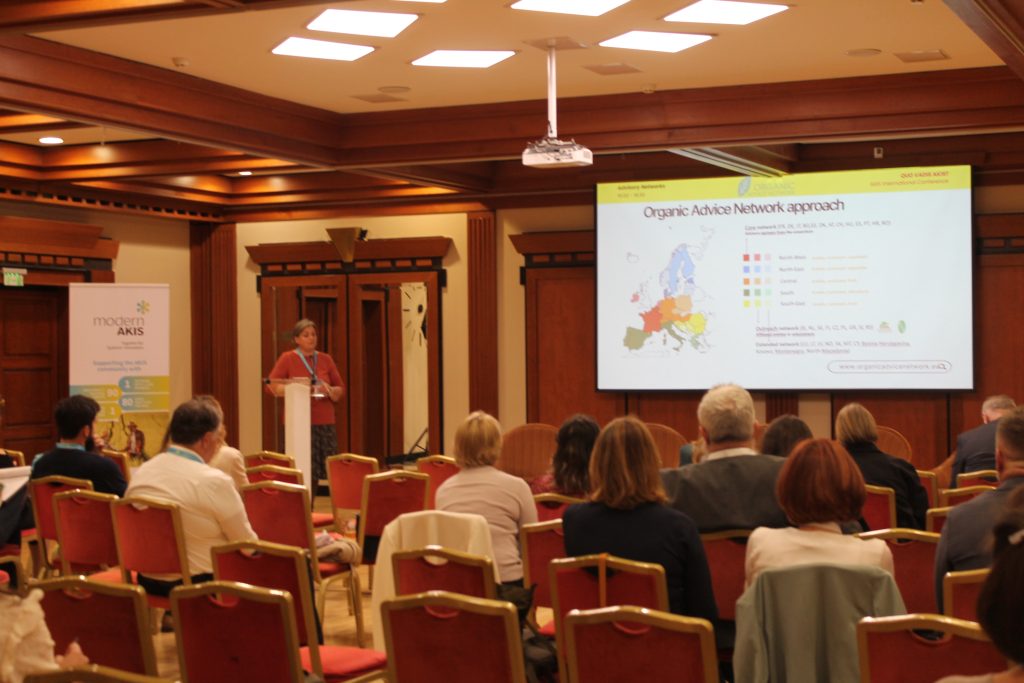
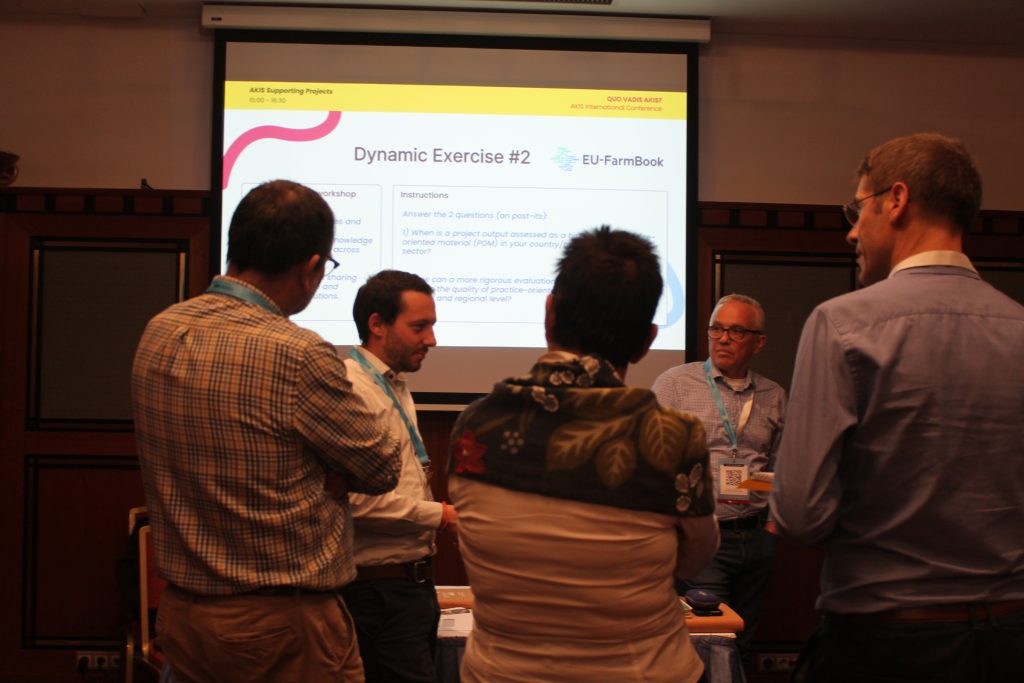
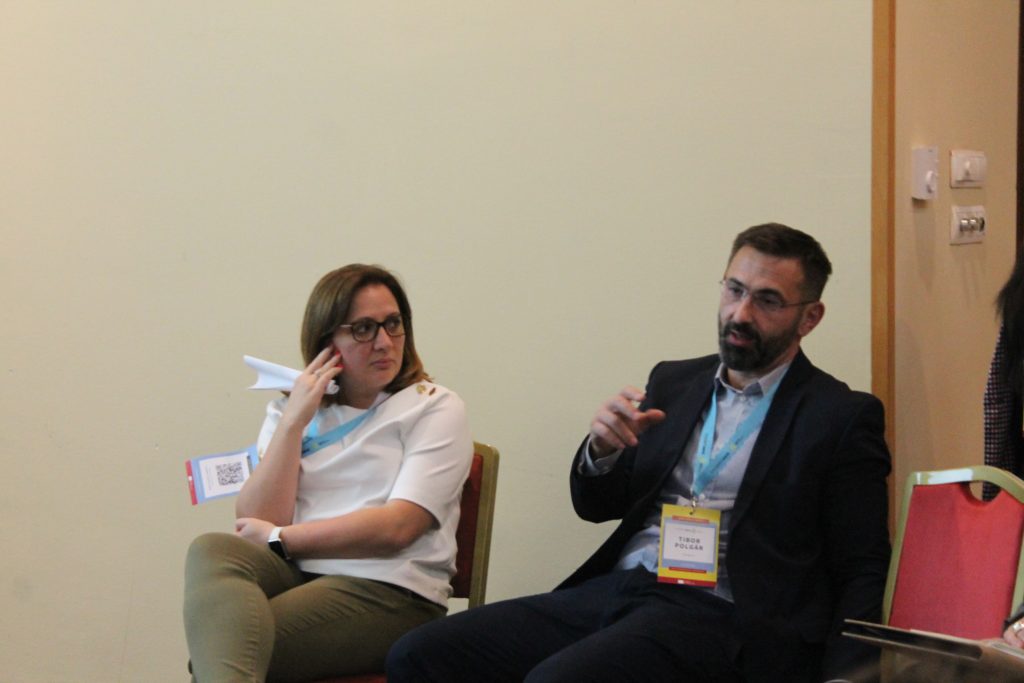
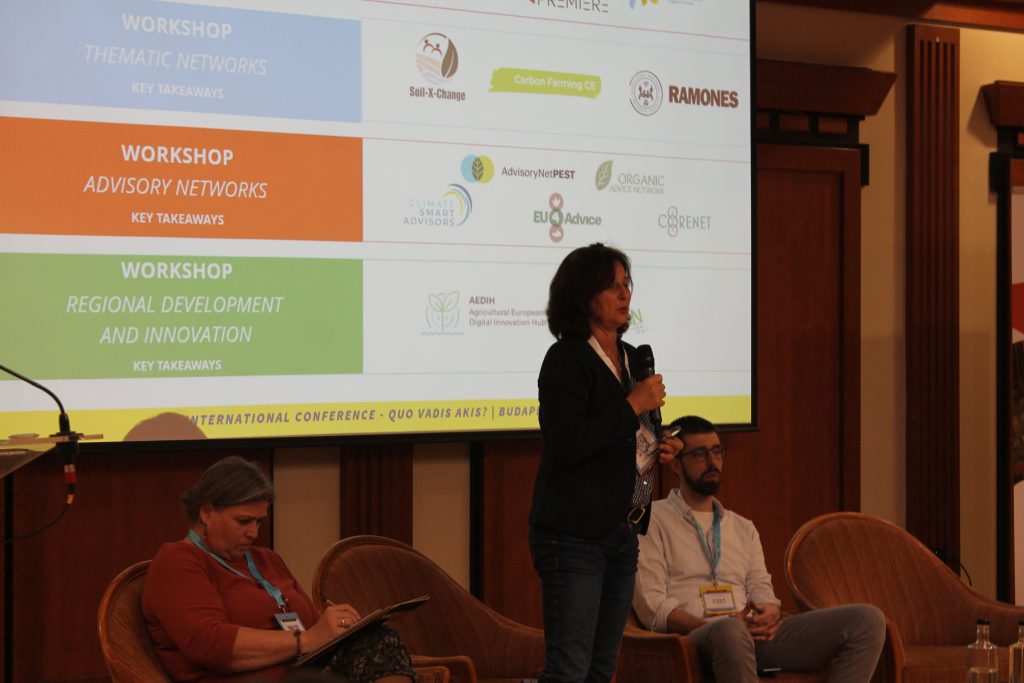
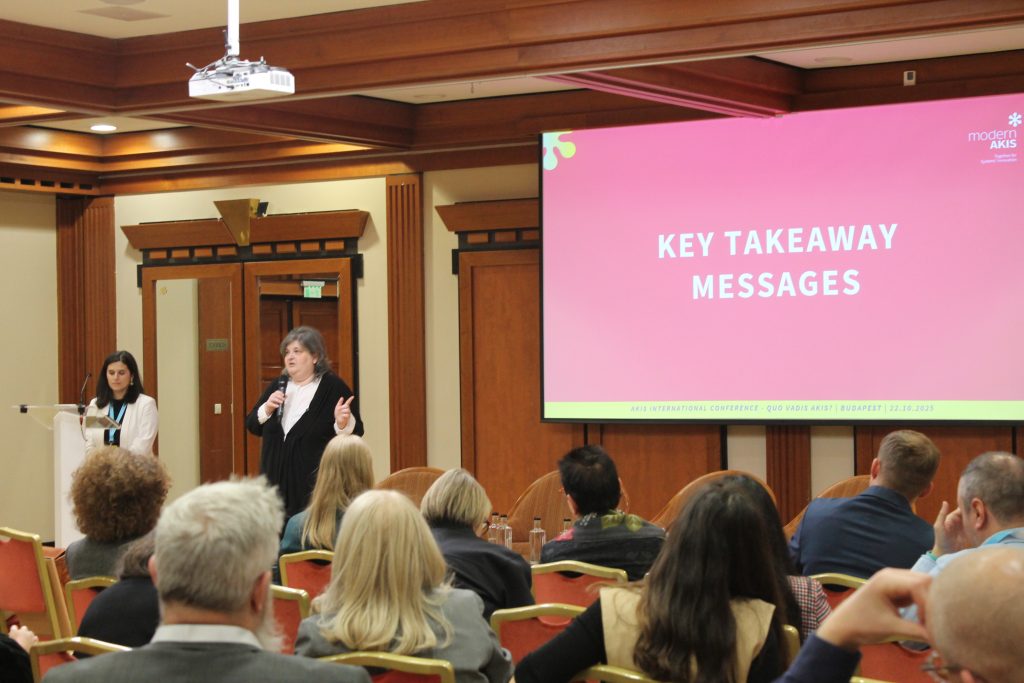
Photo Credits: Inês Gonçalves